Let’s be honest — most lawn damage isn’t caused by bad luck. It’s caused by habits we didn’t even know were problems. I’ve made more than a few of these mistakes myself over the years, and watching a once-healthy lawn go patchy because of something I did is never a fun Saturday morning discovery.
The good news? Once you know what to avoid, keeping a thick, green lawn gets a lot easier. Here are 20 things you should stop doing immediately — plus what to do instead.
Mowing Mistakes
1. Cutting Your Grass Too Short
Scalping your lawn doesn’t mean fewer mows — it means weaker grass. Short grass has shallow roots, less shade for the soil, and way less resistance to weeds and drought.
Stick to the “one-third rule”: never cut more than a third of the blade height in a single mow.
2. Mowing With A Dull Blade
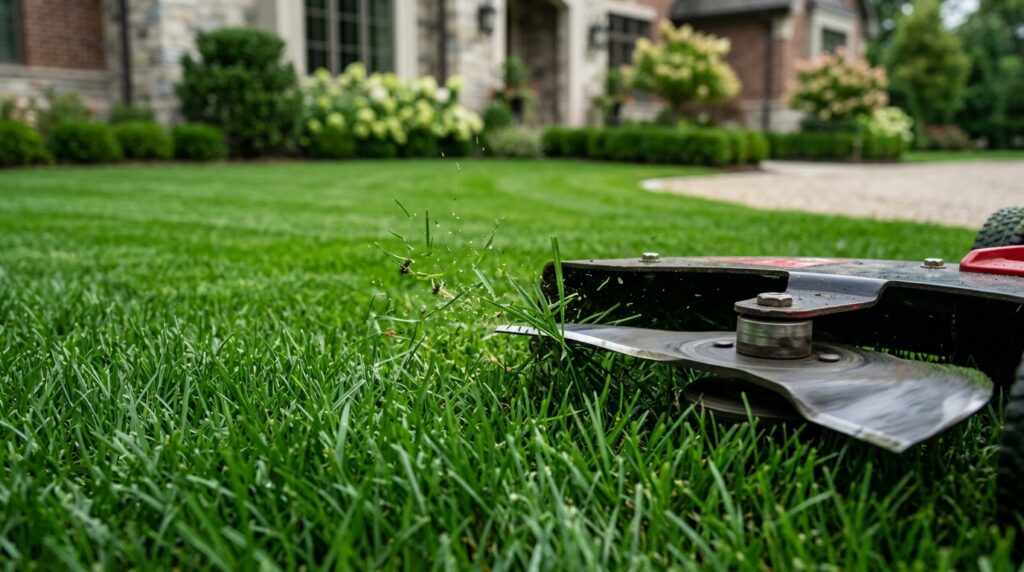
A dull blade tears grass instead of cutting it cleanly, leaving ragged, brownish tips that make your whole lawn look stressed. IMO, this is one of the most overlooked lawn mistakes out there — nobody thinks about blade sharpness until their lawn looks off.
Sharpen your mower blade at least once or twice per season.
3. Mowing Wet Grass
Wet grass clumps, clogs your mower, and tears instead of cutting cleanly. It also spreads fungus and disease across your yard far more easily than dry grass does.
Wait until the grass is dry, even if that means mowing later in the day.
4. Mowing In The Same Pattern Every Time
Always mowing in the same direction compacts soil and can create ruts over time. Grass blades also start leaning in one direction, giving your lawn an uneven look.
Switch up your mowing pattern every week or two.
Watering Mistakes
5. Watering Too Often, But Too Lightly
Frequent shallow watering trains roots to stay near the surface, making your lawn far more vulnerable to drought. Deep, infrequent watering encourages roots to grow downward, which builds real resilience.
6. Watering At The Wrong Time Of Day
Now Watering in the afternoon heat means most of it evaporates before it even reaches the roots. Watering at night, on the other hand, leaves grass damp for hours, inviting fungus.
Early morning is the sweet spot — cool enough to avoid evaporation, with enough daylight left for the grass to dry.
7. Ignoring Your Soil Type
Sandy soil drains fast and needs more frequent watering. Clay soil holds water and can drown roots if you water like you would for sand.
Adjust your watering schedule based on how your specific soil actually behaves — not a generic rule you read online.
8. Overwatering “Just In Case”
More water doesn’t mean a healthier lawn — it often means root rot, fungal disease, and a mushy, spongy yard. Ever notice how the healthiest lawns you’ve seen usually look a little dry between waterings? That’s not neglect. That’s control.
Fertilizing Mistakes
9. Applying Too Much Fertilizer
Over-fertilizing burns grass, and I learned this the hard way after overlapping my spreader passes and ending up with yellow stripes across my front yard. :/ Always follow the bag’s recommended rate exactly.
10. Fertilizing At The Wrong Time
Fertilizing during a heatwave or drought stresses grass instead of helping it. Early spring and early fall are the best windows for most lawns.
11. Skipping A Soil Test
Guessing what your lawn needs is like throwing supplements at a health problem you haven’t diagnosed. A simple soil test tells you exactly what nutrients are missing before you spend money guessing.
12. Not Watering After Fertilizing
Fertilizer needs water to reach the root zone. Skip this step, and the granules sit on the grass blades, causing burn instead of growth.
Weed & Pest Mistakes
13. Pulling Weeds Without Removing The Root
Snapping off the top of a weed while leaving the taproot behind just means round two in a few weeks. Pull weeds after rain, when the soil is soft enough for the whole root to come out.
14. Using Chemical Herbicide On Windy Days
Wind carries herbicide spray onto flower beds, vegetable gardens, and neighboring plants you never intended to treat. Only spray on calm, dry days.
15. Ignoring Small Pest Problems
A few grubs or chinch bugs can turn into a full lawn infestation fast if left unchecked. Catching pest damage early is far easier (and cheaper) than repairing dead patches later.
General Lawn Care Mistakes

16. Letting Thatch Build Up
Thatch — the layer of dead grass and roots between soil and living grass — blocks water and nutrients from reaching the roots when it gets too thick. Dethatch once a year if you notice a spongy feel when you walk across your lawn.
17. Ignoring Compacted Soil
Heavy foot traffic and equipment compact soil over time, making it harder for roots, air, and water to move through it. Aerating once a year relieves this pressure and lets your lawn breathe again.
18. Parking Or Driving On The Grass
Even short-term parking crushes grass blades and compacts soil underneath, sometimes leaving marks that take a full season to fully bounce back. If you’ve got guests over, direct them to the driveway, not the yard.
19. Planting The Wrong Grass For Your Climate
A lawn that constantly struggles might not be doing anything wrong — it might just be the wrong grass type for your sun exposure or region. Cool-season and warm-season grasses behave very differently, and using the wrong one guarantees an uphill battle.
20. Neglecting Your Lawn In Fall
A lot of homeowners stop caring about their lawn once summer ends, but fall is actually one of the most important seasons for lawn health. Root growth, overseeding, and fertilizing done in autumn set the stage for how your lawn performs the following spring.
Final Thoughts
Most lawn problems aren’t really about bad luck — they’re about small, repeated habits that quietly stress the grass over time. The good news is that avoiding these 20 mistakes doesn’t require expensive tools or a landscaping degree, just a little more attention to timing, technique, and consistency.
FYI, fixing even three or four of these habits can make a noticeable difference within a single season. Pick the ones that sound a little too familiar, adjust course, and give your lawn the chance to actually thrive instead of just survive. 🌱