Nothing feels worse than laying fresh sod, watching it like a hawk, and realizing weeks later that it still looks… loose. Like it hasn’t committed to your yard yet. I’ve had this exact moment of panic, lifting up a corner of sod and finding barely any roots underneath after two weeks of “perfect” watering.
Here’s the reassuring part: sod not rooting is almost always fixable once you know what’s actually going wrong. Let’s walk through the 8 most common causes and exactly how to fix each one.
How Do You Know If Your Sod Isn’t Rooting?
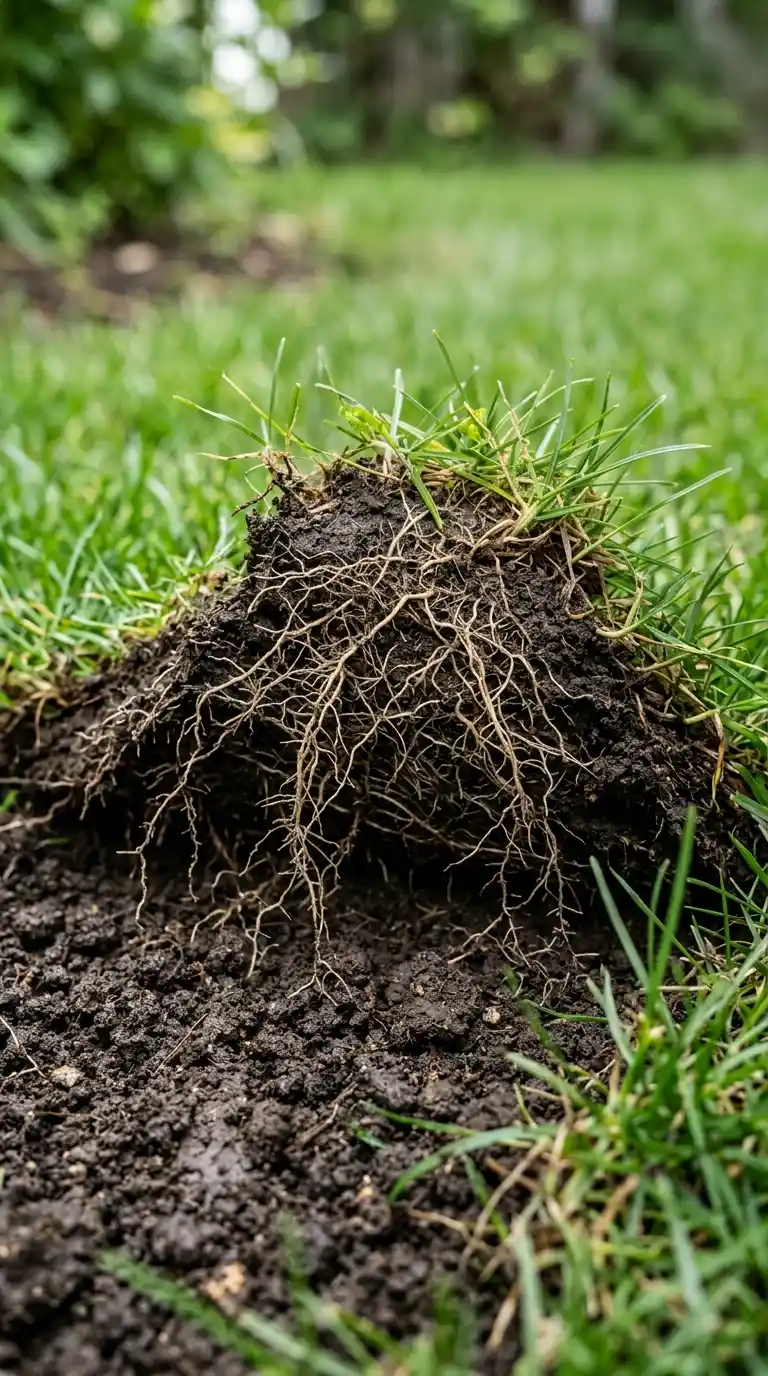
Before troubleshooting, it helps to confirm there’s actually a problem. Gently tug on a corner of the sod — if it lifts easily with little resistance, roots haven’t established yet. If it resists and feels anchored, you’re probably fine and just being impatient (no judgment, we’ve all been there).
1. Poor Soil-To-Sod Contact
This is the number one culprit, and it’s sneaky because everything can look fine from the surface. If the soil underneath isn’t smooth and level, air pockets form between the sod and the ground, and roots simply can’t cross that gap.
The fix: Before laying new sod, rake the soil smooth and use a lawn roller (even a water-filled one) to press the sod firmly into contact with the soil below. If your sod’s already down and struggling, you may need to lift a section, fix the soil underneath, and relay it.
2. Underwatering
Fresh sod hasn’t developed the root system yet to pull moisture from deeper soil, so it’s entirely dependent on you keeping the top few inches consistently moist. Let it dry out even once during the first week or two, and root development stalls hard.
The fix: Water new sod once or twice daily for the first 1-2 weeks, enough to keep the top inch of soil moist but not soggy. Ever wonder why sod installers hammer this point so hard? Because it’s genuinely the difference between success and a costly redo.
3. Overwatering
Yep — the opposite problem causes the exact same result. Too much water suffocates roots by cutting off oxygen in the soil, and it can also promote fungal disease that actively kills off the little root growth that’s trying to happen.
The fix: Check soil moisture with your finger before watering — if it’s still damp an inch down, hold off. Soggy, spongy sod is a clear red flag that you’re overdoing it.
4. Laying Sod In Extreme Heat
I made this mistake myself, laying sod during a brutal July heatwave because “I just wanted it done.” Extreme heat stresses new sod fast, drying it out before roots have a chance to establish, no matter how much you water.
The fix: Ideally, install sod in early fall or spring, when temperatures are moderate and rainfall is more consistent. If summer installation is unavoidable, expect to water more frequently and consider some temporary shade cloth during the hottest part of the day.
5. Compacted Or Poor-Quality Soil
Sod roots need loose, aerated soil to push through. Compacted soil — common in new construction yards or areas with heavy foot traffic — acts like a wall that roots simply can’t penetrate.
The fix: Before laying sod, till or aerate the soil to loosen it up, and consider adding a layer of quality topsoil or compost if your existing soil is poor. This step feels tedious, but skipping it is IMO one of the most common reasons sod fails to establish.
6. Wrong Sod For Your Climate Or Sun Exposure
Sometimes the sod itself just isn’t suited to where you planted it. Shade-intolerant grass laid under a big oak tree, or a cool-season variety struggling through a scorching summer, isn’t a watering problem — it’s a mismatch problem.
The fix: Double-check that your sod type matches both your climate zone and the specific sun/shade conditions of that area of your yard before you buy. A gorgeous sod variety in the wrong spot will fight you the entire season.
7. Sod Sat Too Long Before Installation

The Sod is a living product with a short shelf life. Sod left rolled up for more than 24-48 hours starts to yellow, mat down, and can even begin rotting from lack of sunlight and airflow before it ever touches your soil.
The fix: Install sod the same day it’s delivered whenever possible. If you can’t, unroll it somewhere shaded and keep it lightly moist while you wait, but don’t push it more than a day or two.
8. Foot Traffic Too Soon
Walking, playing, or mowing on new sod before roots establish disrupts the delicate connection forming between sod and soil. Every footstep can shift the sod slightly, breaking root hairs that are just starting to take hold.
The fix: Stay off new sod for at least 2-3 weeks, and hold off on mowing until it resists that tug test mentioned earlier. It’s a hard wait, especially with kids or pets eager to use the yard, but it makes a real difference in how well the sod takes.
How Long Should Rooting Actually Take?
Most sod begins rooting within 10-14 days under good conditions, though full establishment can take 3-4 weeks. If you’re past the three-week mark with zero resistance on the tug test, it’s time to seriously investigate which of these 8 causes might be at play.
Final Thoughts
Sod that won’t root is frustrating, but it’s rarely a mystery once you go through the checklist — it almost always comes down to soil contact, watering balance, timing, or a bit too much foot traffic too soon. Fix the root cause (pun fully intended 😄), and most sod bounces back within a couple of weeks.
If you’re about to lay new sod, save yourself the stress and get the soil prep, timing, and watering routine right from day one. Trust me, it’s a lot easier than trying to diagnose a rooting problem after the fact.