So those little ant hills keep popping up along your driveway cracks, and you’re wondering if there’s a way to deal with them without dumping chemicals all over the place your dog walks on? Ever notice how one ant mound turns into five within a week if you ignore it?
I fought this exact battle along my own driveway last summer, and I learned pretty quickly that some “natural” tips are legit while others are just internet folklore. Let’s sort out how to get rid of ants in yard and driveway naturally so you know what’s actually worth your time.
The Quick Answer
Yes, you can get rid of ants in your yard and driveway naturally, but it takes combining a few methods rather than relying on one single trick. Boiling water, diatomaceous earth, and cutting off food sources together work far better than any single home remedy on its own. Skip the one-and-done myths — ants are more persistent than that.
Why This Is True (or Not)
Ants build massive underground colonies with a queen who just keeps producing more workers, so killing the ants you see on the surface barely makes a dent. The colony itself is the real target, not the individual ants marching across your driveway. That’s exactly why spraying random ants one by one feels satisfying but accomplishes basically nothing long-term.
Natural methods work by either destroying the colony directly, disrupting the scent trails ants use to communicate, or removing the food and water sources drawing them in. Ever wonder why ants seem to know exactly where the crumbs are within minutes? They’re following pheromone trails laid down by scout ants, and breaking that trail matters just as much as killing the ants themselves.
When It Depends
If The Ants Are in Your Driveway Cracks
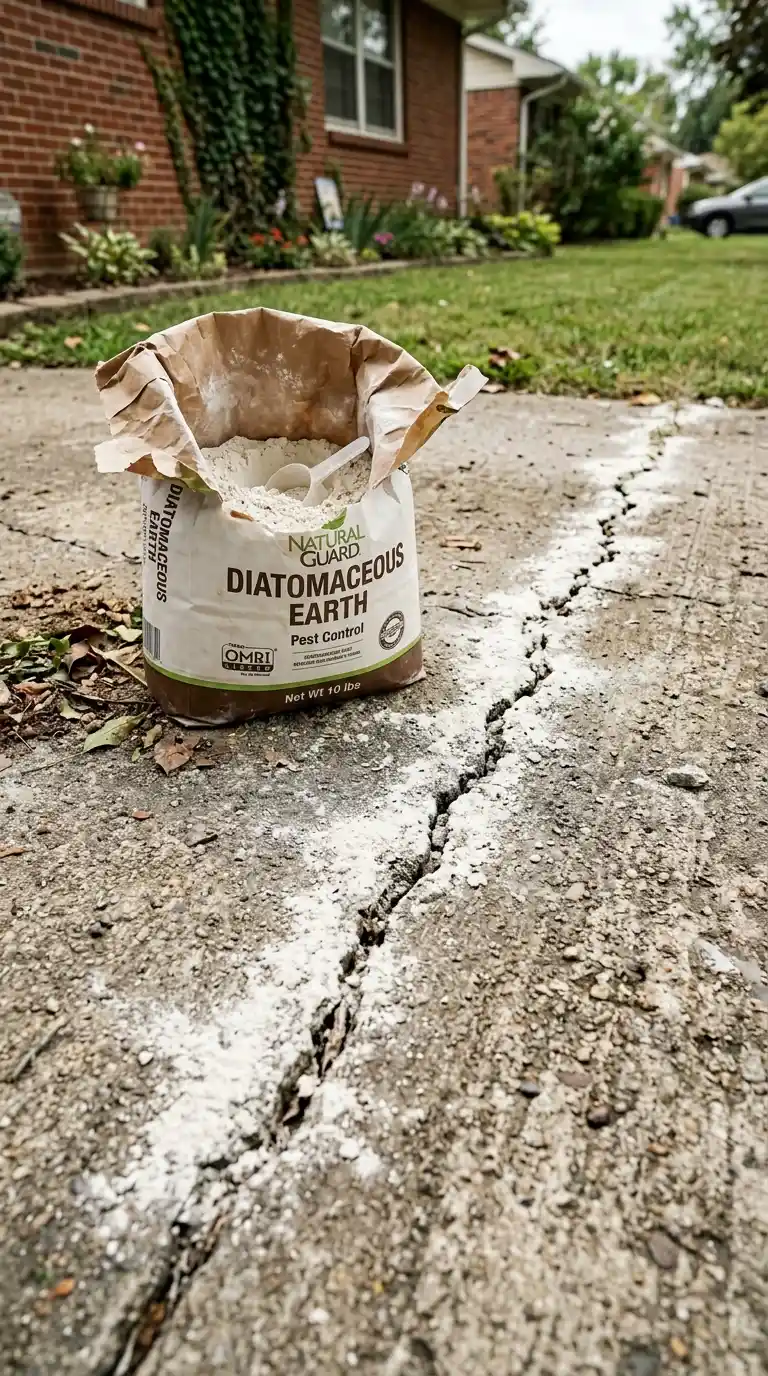
Boiling water poured directly into the entry holes works shockingly well here, since it travels down into the tunnels and kills a good portion of the colony on contact. This trick doesn’t harm surrounding grass because driveway cracks obviously aren’t growing anything you care about.
If The Ants Are in Your Lawn or Garden Beds
Boiling water becomes a bad idea here, since it’ll kill your grass right along with the ants. Diatomaceous earth or beneficial nematodes work better in these spots, since they target the ants without torching your lawn in the process.
If You’re Dealing With Fire Ants Specifically
Regular ant remedies often underperform against fire ants, which build deeper, more defensive colonies. Mound-drenching with boiling water sometimes just relocates the queen deeper instead of killing her, so repeated treatments over several days usually work better than one aggressive attempt.
If The Problem Is Seasonal
Ant activity spikes hard in late spring through summer, especially right after rain when colonies flood and relocate. A treatment that worked great in April might need reinforcing by July once new colonies establish themselves.
What To Do Instead / What The Experts Recommend
Skip the single-ingredient miracle cures and layer a few real tactics instead. Here’s what’s actually worked in my own yard, not just stuff I read once and repeated:
- Pour boiling water into visible ant mounds and driveway cracks, ideally in the early morning when most ants are still inside
- Sprinkle diatomaceous earth around entry points and garden beds — it’s a natural powder that dehydrates ants on contact without harming pets once it’s dry
- Mix equal parts vinegar and water and spray along known trails to disrupt the scent pheromones ants rely on to navigate
- Use cinnamon or coffee grounds as a mild deterrent around entry points, though IMO this works better as a backup than a primary fix
- Seal driveway and sidewalk cracks once the ants clear out, since an open crack is basically a “vacancy” sign for the next colony
I tried the cinnamon trick first because it sounded easy, and sure, the ants avoided that exact spot — then rerouted six inches over like it was nothing. That’s when I learned deterrents alone rarely solve the actual problem :/
Removing food sources matters just as much as any spray or powder. Clean up spilled pet food, sugary drink residue, and fallen fruit promptly, since these are basically dinner invitations for scout ants. A driveway with nothing to eat becomes a lot less interesting to a colony scouting for new territory.
Common Mistakes People Make With This
- Only killing visible ants instead of targeting the colony and queen, which just means the problem reappears within days
- Using boiling water on lawn ant hills, which kills the grass along with the ants and leaves an ugly dead patch
- Applying diatomaceous earth when wet, since it only works in its dry, powdery form — wet DE is basically useless
- Ignoring food sources while treating the colony, which practically guarantees a new colony moves in to replace the old one
- Giving up after one treatment, when most natural methods need reapplication over 1-2 weeks for the colony to fully collapse
Quick Recap
- Direct answer: Yes, you can get rid of ants in your yard and driveway naturally, but expect to combine a few methods rather than rely on one trick
- Boiling water works great in driveway cracks but should stay away from lawn areas where you actually want grass to survive
- Diatomaceous earth and vinegar sprays handle lawn and garden ant problems without the collateral damage
- Fire ants and seasonal spikes (especially late spring through summer) often need repeated treatments over 1-2 weeks
- Removing food sources is just as important as any spray, powder, or boiling water trick
Start with the boiling water method on one driveway crack this weekend and watch what happens over the next few days. If that mound doesn’t come back, you’ll know exactly which combo to expand across the rest of your yard.