There is something quietly magical about a rose garden — the layered petals, the fragrance drifting across a warm afternoon, the way a single well-placed shrub can completely transform a yard. If you have always assumed roses were too fussy or too demanding for a beginner, I want to gently change your mind. Modern rose breeding has given us varieties that are disease-resistant, low-maintenance, and genuinely forgiving for first-time growers. You do not need a grand estate or years of experience to make roses work for you.
The key to a beginner rose garden is starting with the right varieties, the right placement, and a simple plan you can actually follow through on. Roses need at least six hours of direct sun per day, well-draining soil with a pH between 6.0 and 6.5, and good air circulation to stay healthy and bloom freely. Once those basics are in place, everything else becomes much more manageable than the reputation suggests. These ideas will help you build a rose garden that feels personal, beautiful, and genuinely yours.
1. Start With Shrub Roses — The Beginner’s Best Friend
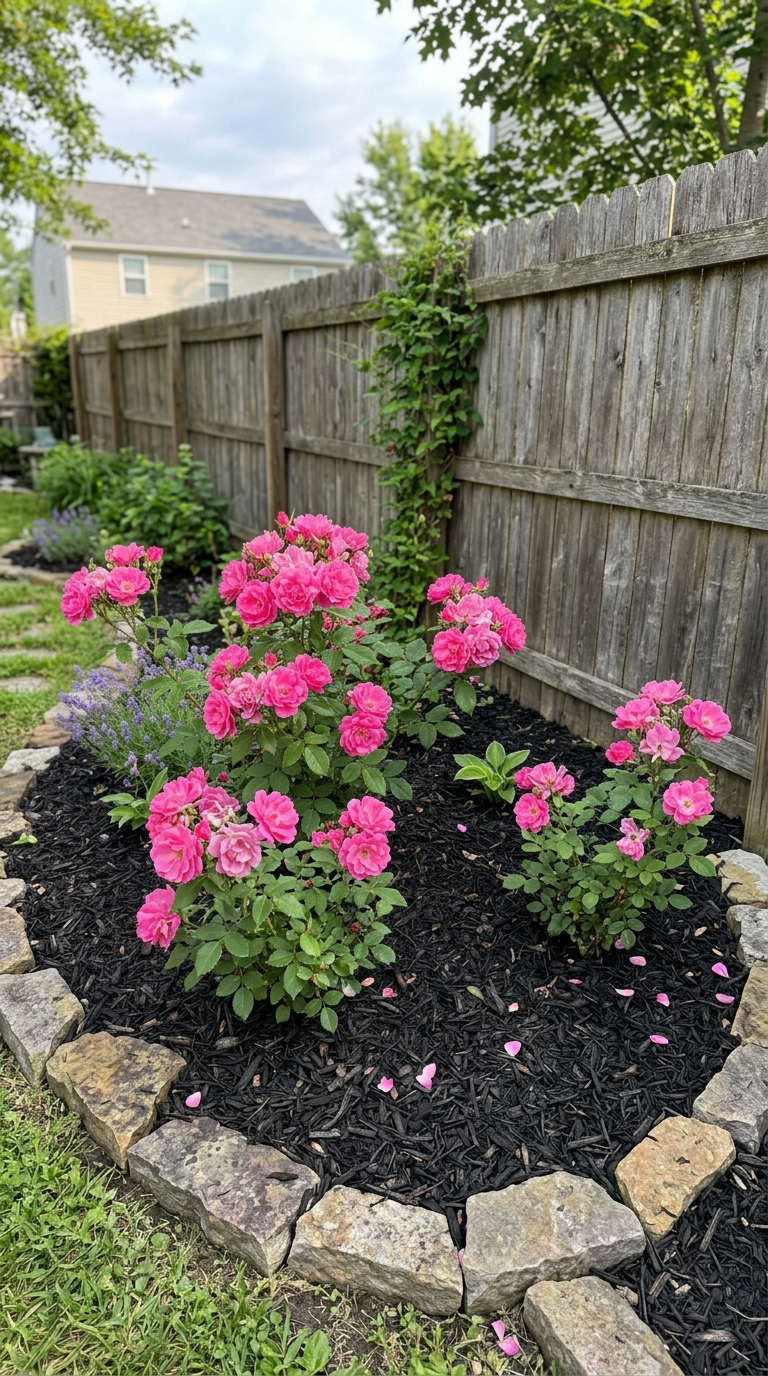
Shrub roses are where every new rose gardener should begin, and the reason is simple: they were practically bred for people who do not want to fuss. Varieties like the Knock Out series (Rosa ‘Radrazz’), Carefree Beauty (Rosa ‘Bucbi’), and the Oso Easy collection offer continuous bloom from late spring through fall frost without demanding deadheading or complicated spray schedules. They are bred with strong disease resistance, which means fewer battles with black spot and powdery mildew — the two most common rose headaches. Plant them in full sun with 3 to 4 feet of spacing between plants, and they will reward you season after season.
What makes shrub roses especially appealing for a beginner layout is their versatility in the landscape. Use them as low hedges along a front walkway, anchor them at the corners of a raised bed, or mass three or five together for a bold color statement in a mixed border. Hardy in USDA zones 4 through 9 depending on variety, most shrub roses require only a light pruning in early spring once nighttime temperatures stay reliably above freezing. Starting here gives you confidence, real blooms, and a foundation to build from.
✨ Designer Tip: Plant shrub roses in groups of three using the same variety rather than mixing several different roses together in a small space. Repetition creates cohesion and makes a beginning garden look intentional and designed rather than random.
2. Choose a Simple Color Palette Before You Plant
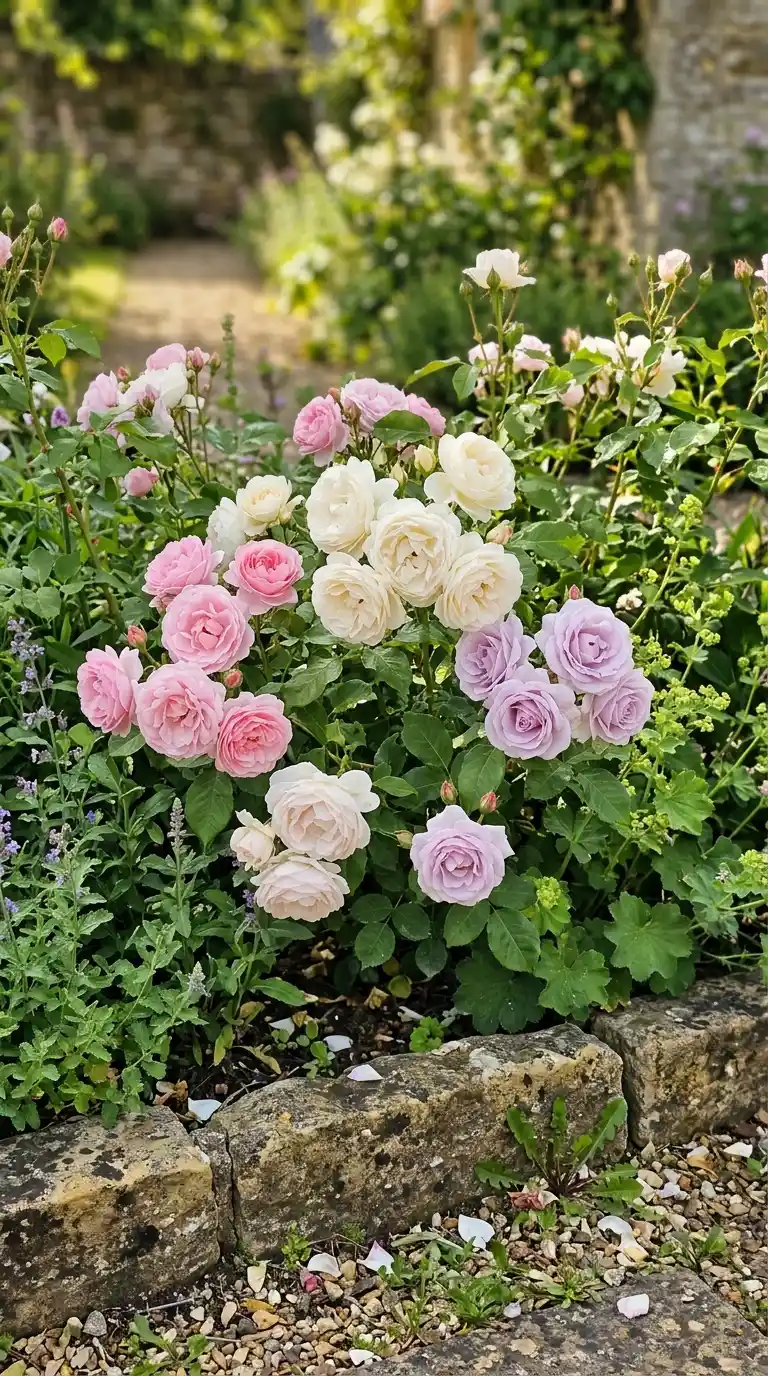
One of the most common beginner mistakes is falling in love with too many colors at the nursery and ending up with a garden that feels chaotic rather than cohesive. Before you buy a single rose, decide on a palette of two or three colors that work together and stick to it. Soft pinks paired with creamy whites and touches of lavender create a classic cottage feel, while warm corals, peachy yellows, and apricot tones give a garden a sun-drenched, romantic energy. Color decisions made on paper cost nothing and save a lot of replanting regret.
✨ Designer Tip: Use a color wheel to find complementary or analogous combinations that hold together in the garden. Analogous colors — those sitting side by side on the wheel, like coral, peachy orange, and soft yellow — are particularly forgiving for beginners because they almost always look harmonious together, even across different bloom shapes and sizes.
3. Plan Your Layout Around Sun, Not Just Style
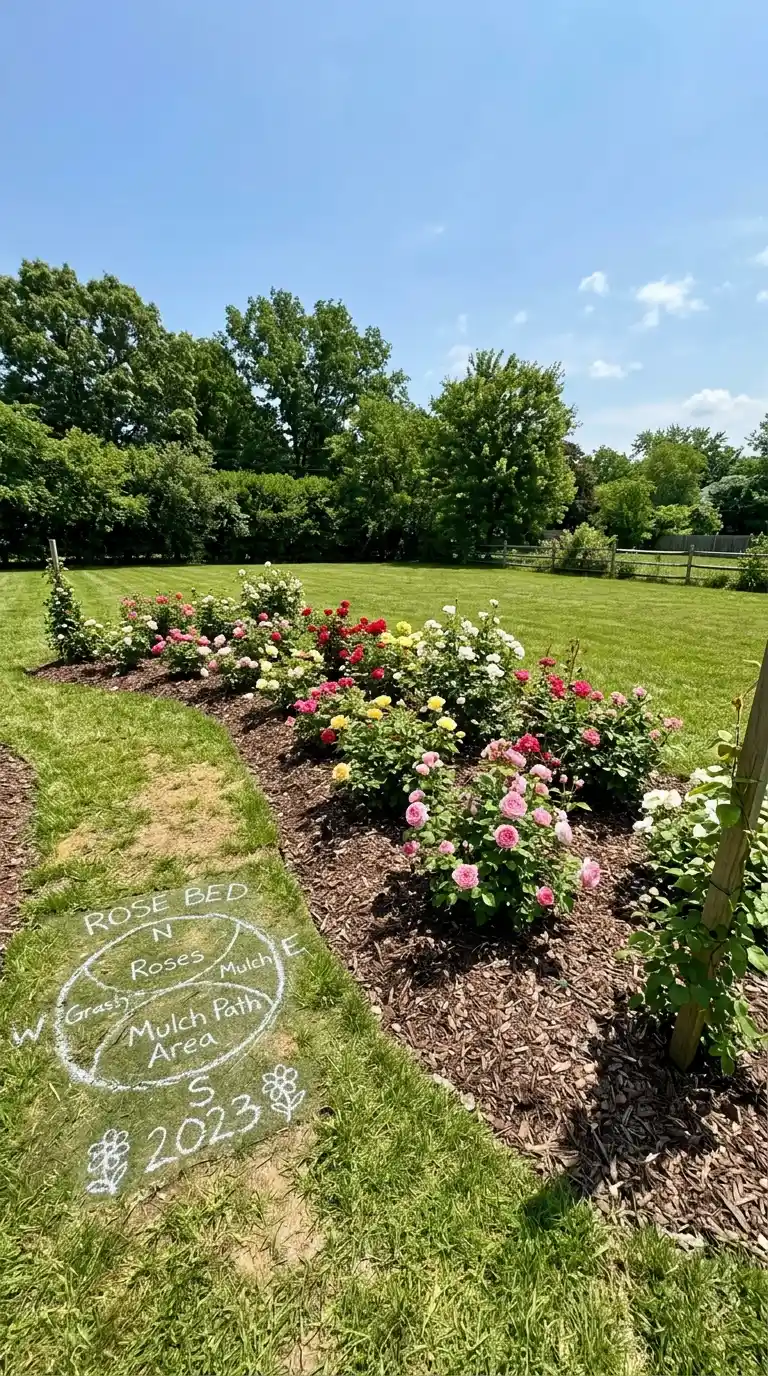
The most beautifully planned rose garden will underperform if it is placed in the wrong spot, and sun is the non-negotiable factor. Walk your yard at different times of day for a few days before you finalize any planting plan, noting which areas receive full, unobstructed sun from mid-morning through late afternoon. South and west-facing beds typically offer the strongest light, and a minimum of six hours — ideally eight — is what roses need to bloom reliably and resist disease. Shaded roses produce fewer flowers and become more vulnerable to fungal problems, no matter how good your soil is.
Once you have identified your sunniest areas, sketch a rough bed outline and consider air circulation as part of the design. Roses planted too close to walls, fences, or dense shrubs can develop poor airflow, which encourages moisture to sit on leaves and invites mildew. Leaving an 18-inch gap between a rose and a solid wall makes a real difference in plant health over the growing season. Planning around light and airflow first, and aesthetics second, sets up your beginner garden for long-term success.
4. Build Better Soil Before You Do Anything Else
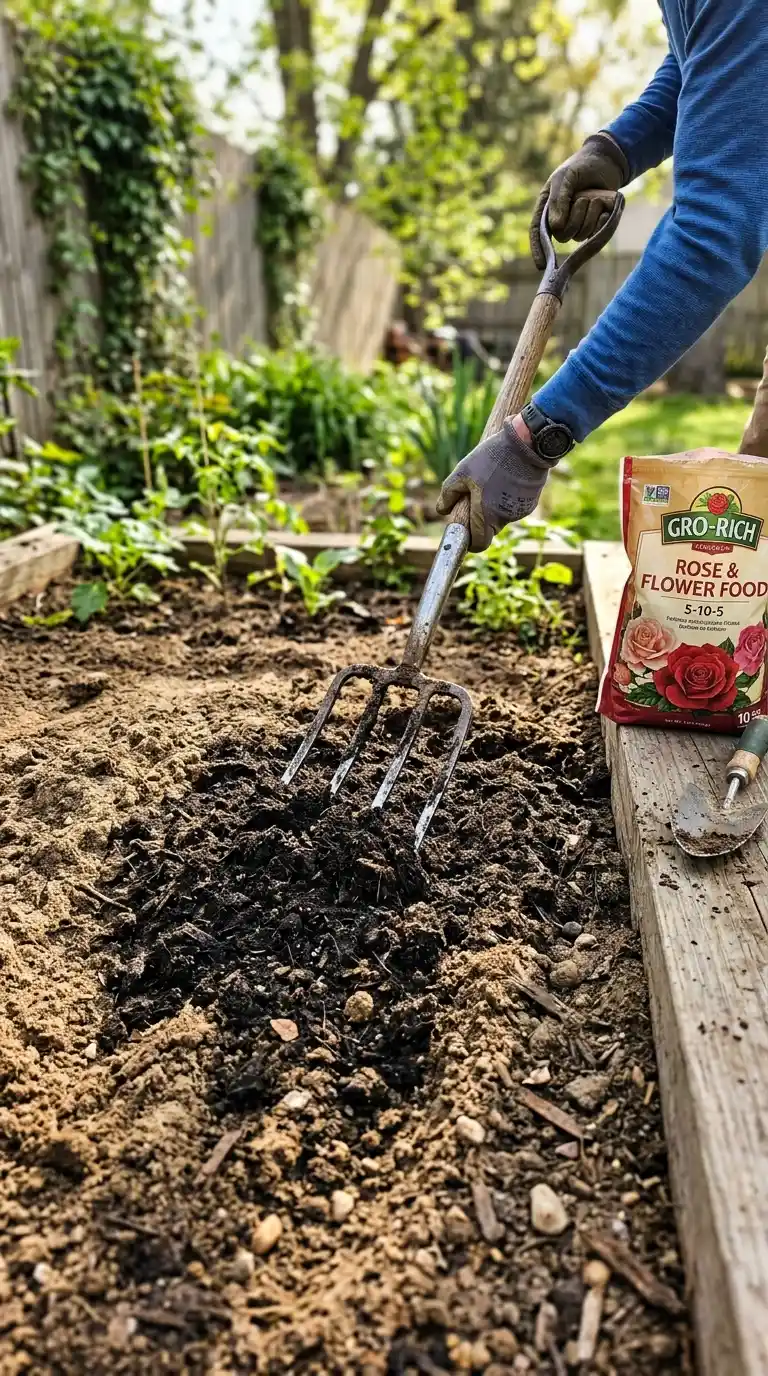
Roses are often called demanding, but what they are really asking for is good soil — and that is something any gardener can provide before a single plant goes in the ground. Roses thrive in rich, loamy soil that drains well but retains enough moisture to keep roots consistently hydrated. Work in 3 to 4 inches of aged compost, well-rotted manure, or a quality rose-specific planting mix before planting, digging it into the top 12 to 18 inches of your bed. A basic soil test — available inexpensively through your local cooperative extension service — will tell you your pH and nutrient levels so you can amend with confidence rather than guesswork.
What to Work Into Your Rose Bed Before Planting:
- Aged compost to improve drainage, aeration, and nutrient availability
- Granular sulfur to lower pH if soil tests above 6.5
- Agricultural lime to raise pH if soil tests below 6.0
- Bone meal worked into planting holes to support strong root development
- Alfalfa meal or alfalfa pellets as a natural source of growth-stimulating triacontanol
- A 2 to 3 inch layer of shredded bark mulch after planting to retain moisture and regulate soil temperature
5. Try a Classic Cottage Rose Border
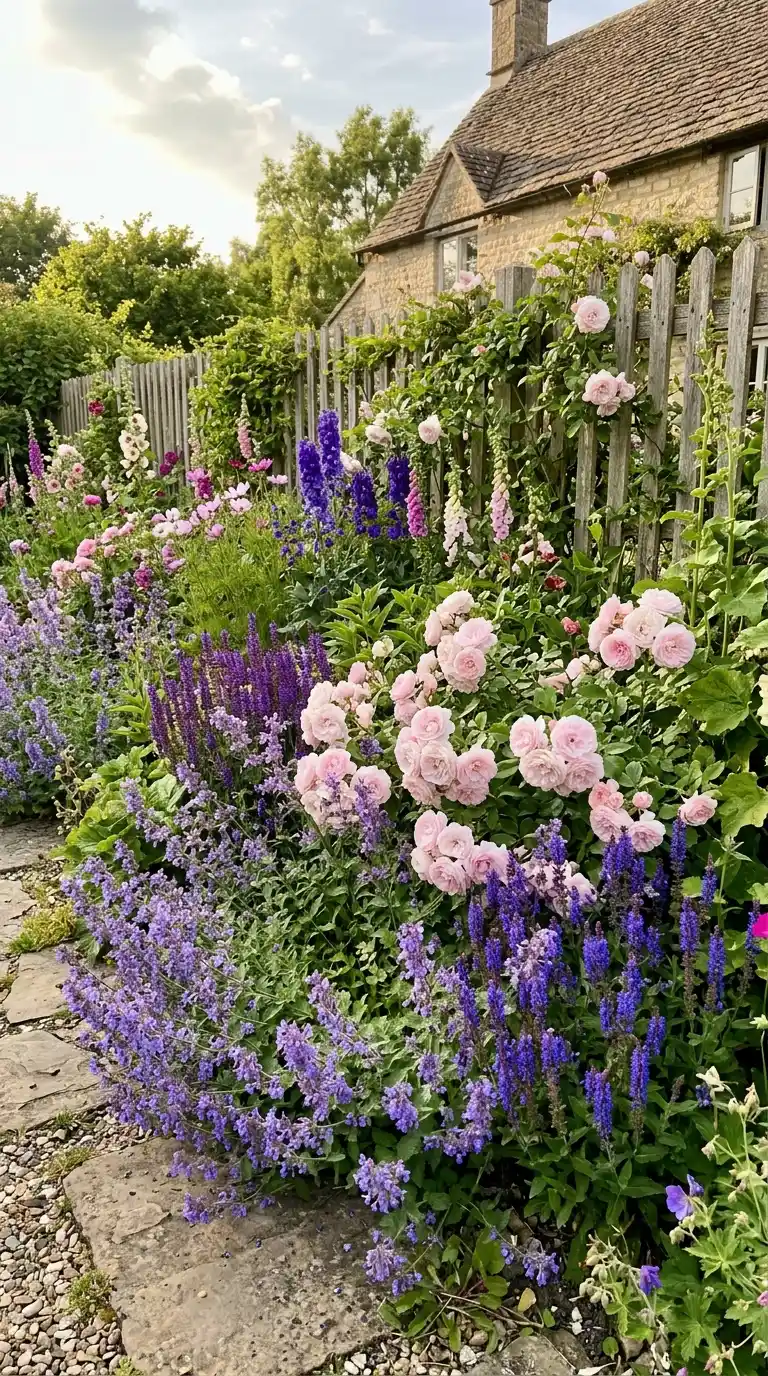
A mixed cottage border is one of the most forgiving and beautiful ways to use roses in a beginner garden, because roses do not have to carry the whole design themselves. Pair compact shrub roses or floribundas — varieties like ‘Iceberg’ (Rosa ‘Korbin’) or ‘The Fairy’ (Rosa ‘The Fairy’) — with complementary perennials that bloom at different times to extend the season. Lavender (Lavandula angustifolia), catmint (Nepeta x faassenii), and salvia (Salvia nemorosa) are classic partners because they share the rose’s love of full sun and well-drained soil while adding contrasting texture and blue-purple tones that make pink and white roses glow. Layer taller plants toward the back, mid-height roses in the center, and low-growing fillers at the front edge.
The real beauty of a cottage border is that it looks lush and full even when individual roses are between bloom cycles. Perennial companions fill visual gaps, attract pollinators that also benefit the roses, and create a garden that feels genuinely alive from spring through fall. Use repetition throughout the border — placing the same lavender or catmint every few feet — to tie the planting together without making it feel rigid. This approach gives beginners a high-success framework while leaving plenty of room for personal expression.
6. Use Containers To Start Small and Build Confidence
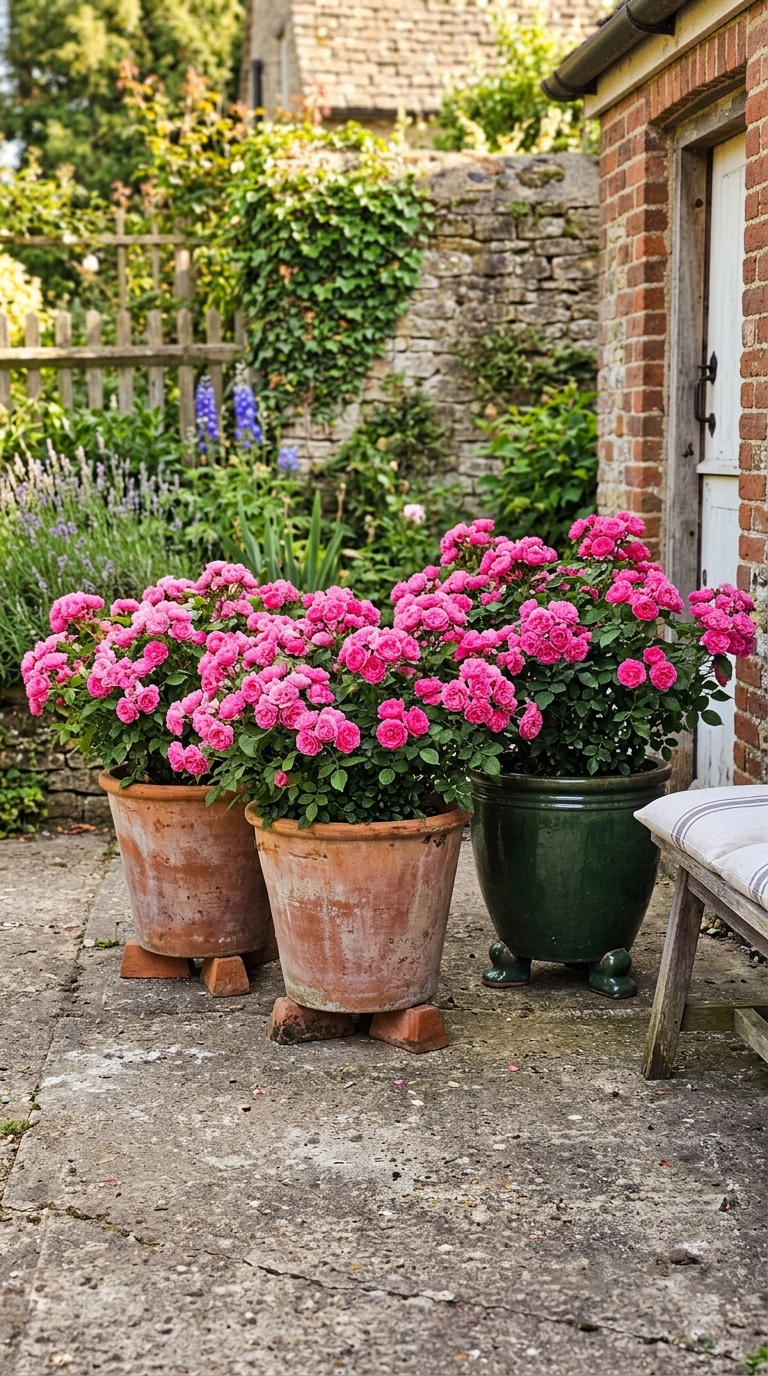
Growing roses in containers is a genuinely underrated strategy for beginners, especially if you have limited ground space, challenging native soil, or simply want to experiment before committing to a full bed. Patio roses and miniature roses — such as ‘Sunblaze’ varieties or the award-winning ‘Cupcake’ (Rosa ‘Savacup’) — are compact enough to thrive in 15 to 20 gallon containers and still produce a generous flush of flowers through the season. Use a high-quality potting mix formulated for roses or a blend of quality potting soil and perlite at a 3:1 ratio to ensure drainage. Containers dry out faster than ground beds, so plan on checking moisture every one to two days during summer heat.
✨ Designer Tip: Elevate container roses on pot feet or a simple stand to improve drainage from the bottom and prevent the roots from sitting in pooled water after heavy rain. This one small change significantly reduces the risk of root rot, which is the most common killer of potted roses.
7. Learn the One Pruning Rule That Changes Everything
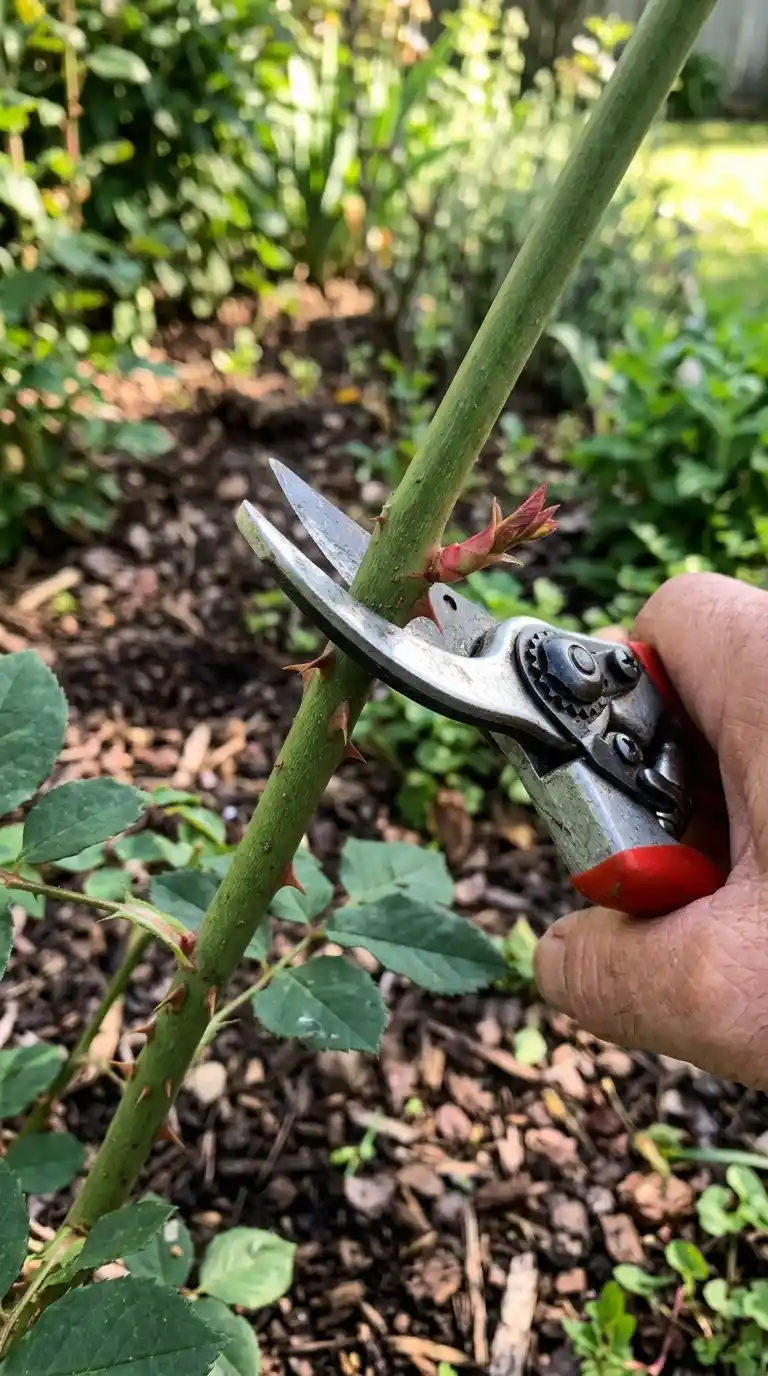
Pruning intimidates more beginning rose gardeners than almost any other task, but there is one rule that simplifies the entire process: cut to an outward-facing bud eye. A bud eye is the small swollen node on the stem where a new shoot will emerge, and directing your cuts just above an outward-facing one — about a quarter inch above it at a 45-degree angle — encourages the plant to grow outward and open rather than toward the center. This improves airflow through the plant, reduces disease pressure, and creates a naturally attractive, vase-shaped form over time. For shrub roses, early spring pruning — once forsythia blooms in your area — is the primary cut; light shaping throughout the season keeps them tidy and blooming freely.
Beginner Pruning: Tools and Timing at a Glance:
- Use bypass pruners (not anvil) for clean cuts that do not crush stems
- Sterilize blades with rubbing alcohol between plants to avoid spreading disease
- Remove any canes thinner than a pencil — they rarely produce strong blooms
- Cut out dead, damaged, or crossing canes first before any shaping cuts
- For repeat-blooming roses, remove spent flower clusters to the first set of five leaflets to encourage rebloom
- Never prune roses in fall in cold climates — wait until spring to avoid stimulating new growth before frost
8. Water at the Base, Not the Leaves
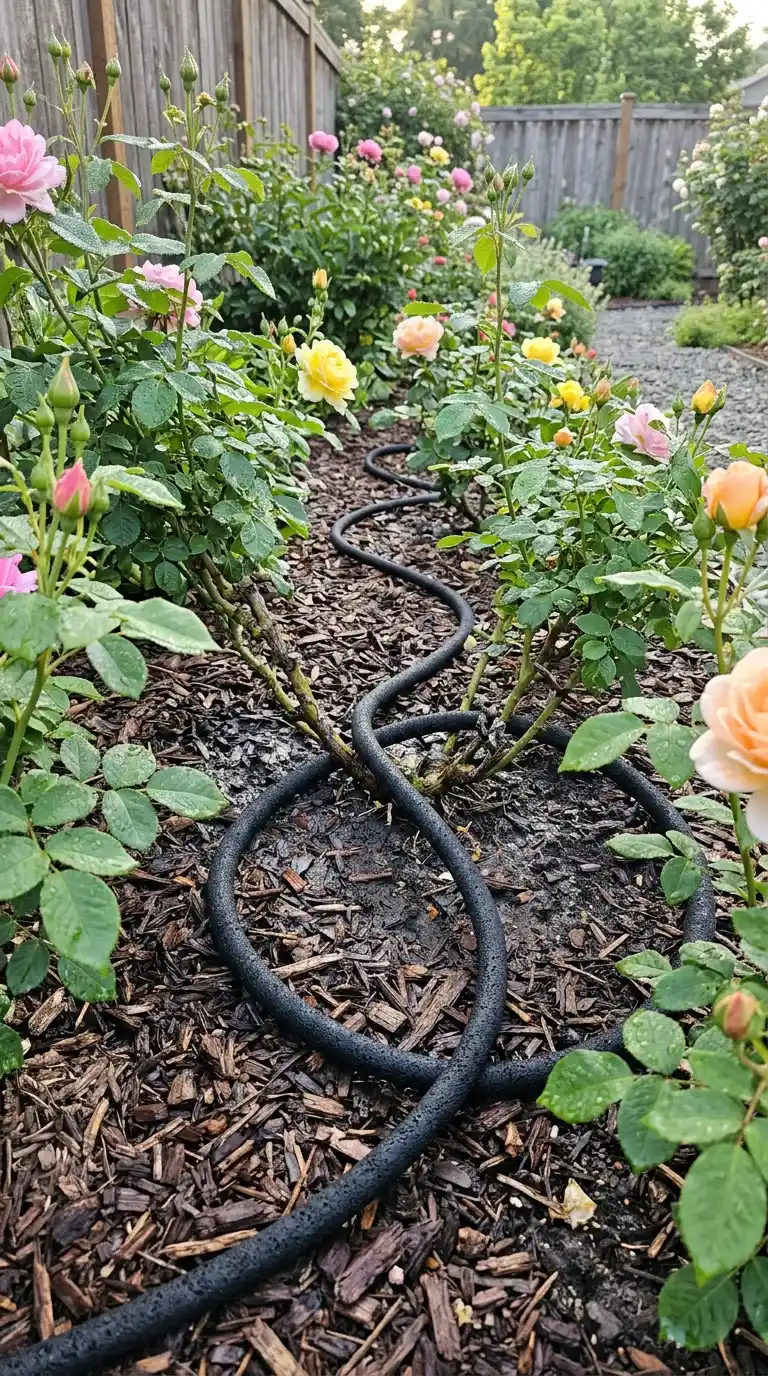
How you water your roses matters nearly as much as how often you water them, and this is a detail that trips up many beginners. Overhead watering from a sprinkler or hose wand aimed at the foliage leaves moisture sitting on the leaves, which is one of the primary drivers of black spot (Diplocarpon rosae) and powdery mildew infections. Water deeply at the base of the plant — aiming for the root zone — once or twice per week rather than lightly every day. Deep, infrequent watering encourages roots to grow downward in search of moisture, which builds drought tolerance and plant resilience over time.
A soaker hose or drip irrigation system is the single most effective upgrade a beginning rose gardener can make to their watering routine. These systems deliver water directly to the soil surface with minimal evaporation and no leaf wetness, and they can be set on a simple timer so the task becomes essentially automatic during the busiest weeks of the growing season. If hand watering is your method, hold the nozzle low and aim at the soil, not the plant. Keeping foliage dry, especially through the evening hours, is one of the simplest disease-prevention habits you can build early on.
9. Feed Roses on a Simple Schedule
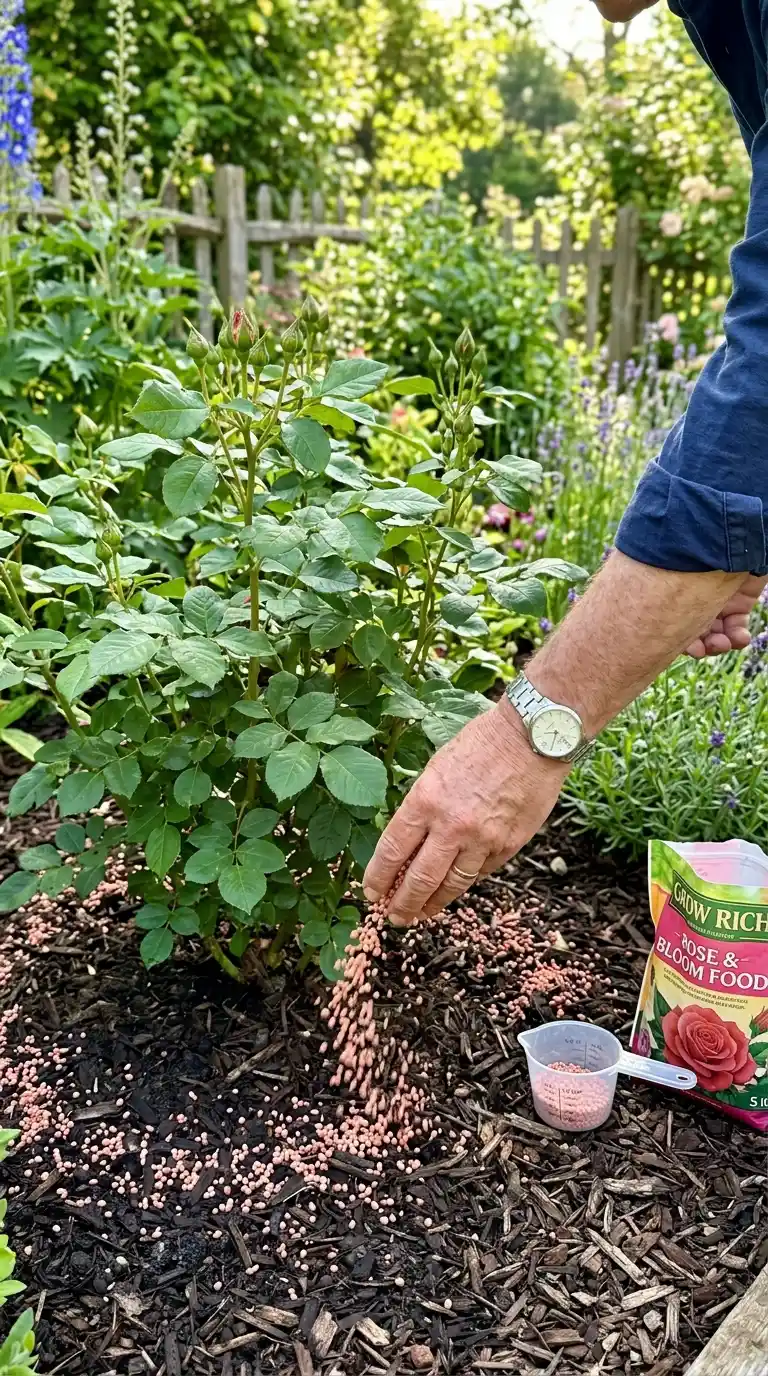
Roses are consistent feeders and will respond visibly to a reliable fertilizing routine, which makes this one of the most rewarding aspects of growing them. Begin feeding in spring when new growth is 4 to 6 inches long, using a granular rose fertilizer or a balanced 10-10-10 fertilizer worked lightly into the soil around the drip line. Repeat every four to six weeks through the growing season, stopping six to eight weeks before your average first frost date so you do not push tender new growth heading into cold weather. Organic options like fish emulsion, alfalfa meal, and compost tea are slower-release but excellent for building long-term soil health alongside feeding the plant.
Conclusion
Starting a rose garden does not require expertise — it requires curiosity, a little preparation, and a willingness to learn as you go. The varieties available to today’s beginners are genuinely far easier to grow than the hybrid teas your grandparents might have struggled with, and the design principles that make a rose garden feel beautiful are straightforward once you understand them. Begin with one sunny bed, three to five forgiving shrub roses, and good soil, and you will have more success than you expect in that very first season.
Let your first garden be an experiment you enjoy rather than a performance you stress over. Keep notes on what bloomed when, what you loved, and what you would change — that simple habit will make you a more confident gardener every year. The roses you plant this season will grow stronger and more beautiful with each passing year as their roots establish and their canopies fill in. There is real joy in watching that unfold, and it starts with just getting a few plants in the ground. 🌹