Ever look at your lawn and feel like something’s just… off? Not dead, not diseased, just kind of lumpy, thin, or inconsistent no matter how much you fertilize or water it? IMO, that’s usually the moment when topdressing enters the chat — and honestly, it’s one of the most underrated lawn care techniques out there.
I ignored topdressing for years, assuming it was some extra step only golf course groundskeepers bothered with. Big mistake. Once I actually tried it, the difference in my lawn’s texture and color was honestly kind of embarrassing — embarrassing that I waited so long, that is.
What Is Topdressing, Exactly?
Topdressing means spreading a thin layer of material — usually compost, sand, or a soil blend — over your existing lawn. It’s not the same as adding topsoil to bare patches; it’s a light, even coating applied across the whole lawn to improve what’s already growing there.
Think of it less like “adding new dirt” and more like giving your soil a nutrient and texture upgrade from above, without ripping anything up.
Why Bother Topdressing Your Lawn?
Improves Soil Quality Over Time
Compost-based topdressing introduces organic matter, beneficial microbes, and nutrients directly into your existing soil profile. This matters most if you’re dealing with poor, compacted, or nutrient-depleted soil that fertilizer alone hasn’t been able to fix.
Smooths Out Bumpy, Uneven Lawns
Ever mow over a lumpy lawn and feel the mower dip and rise the whole way across? Topdressing gradually fills in low spots and evens out the surface, making your whole yard look — and mow — noticeably better.
Helps Thatch Break Down Faster
Thatch, that spongy layer of dead grass and roots sitting between soil and living grass, decomposes faster when topdressing introduces beneficial microbes into the mix. Less thatch buildup means healthier root access to water and nutrients.
Boosts Overseeding Success
If you’re overseeding thin patches, a light topdressing layer afterward helps seed-to-soil contact and retains moisture better than bare seed sitting exposed on top of existing grass.
Strengthens Drought And Stress Resistance
Healthier soil structure means deeper, stronger root systems, which translates directly into a lawn that bounces back faster from heat, drought, or heavy use.
What Material Should You Use?
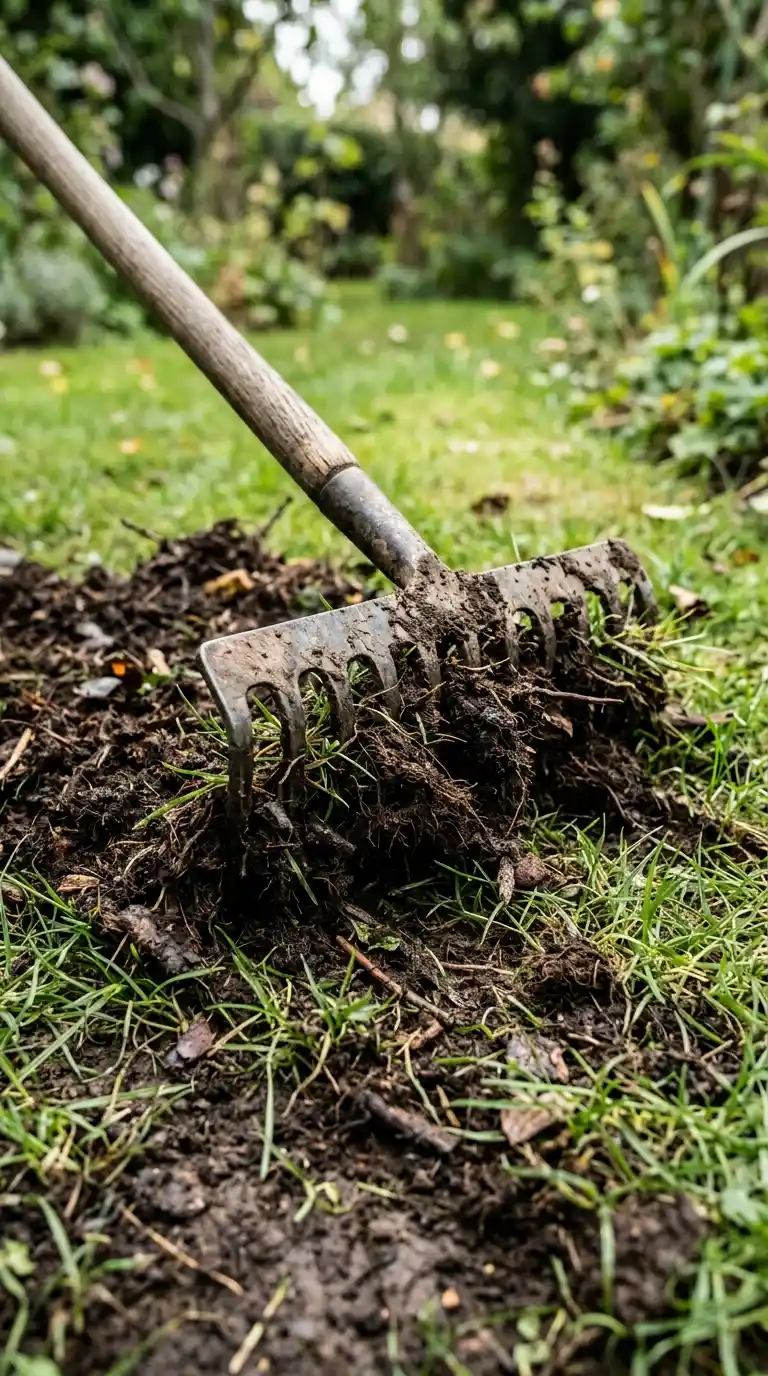
Not all topdressing material is created equal, and picking the wrong one can actually work against you.
- Compost — the most popular choice, packed with organic matter and nutrients, great for improving soil health overall
- Sand — useful for lawns with heavy clay soil or drainage issues, though pure sand alone offers little nutritional value
- Soil blend (often compost + sand + topsoil) — a balanced option that many lawn pros lean toward for general-purpose use
My take: unless you have a very specific drainage problem, a quality compost or compost-blend is the safer, more beneficial choice for most lawns.
How To Topdress Your Lawn Correctly
Step 1: Mow Your Lawn Short First
Cut your grass shorter than usual right before topdressing — this helps the material reach the soil instead of just sitting on top of tall grass blades.
Step 2: Aerate Beforehand (Highly Recommended)
Core aerating before topdressing creates channels that let the material work its way down into the soil more effectively, rather than just resting on the surface. Skipping this step isn’t a dealbreaker, but it dramatically improves results.
Step 3: Spread A Thin, Even Layer
Apply no more than ¼ to ½ inch of material across your lawn. This is the mistake people make most often — piling it on too thick and smothering the grass instead of helping it. More is not better here.
Step 4: Work It Into The Grass
Use the back of a rake, a drag mat, or even a push broom to work the topdressing down between the grass blades so it makes contact with the soil rather than sitting on top of the leaves.
Step 5: Water It In
Give your lawn a good watering after topdressing to help settle the material into place and kickstart the microbial activity that makes this whole process worthwhile.
When Is The Best Time To Topdress?
Early fall is generally considered the ideal window for most lawns, since cooler temperatures and consistent rainfall support recovery without heat stress. Spring works too, especially if you’re pairing topdressing with overseeding.
Avoid topdressing during peak summer heat or right before a hard frost — the grass simply doesn’t have the growing conditions to recover well from either extreme.
How Often Should You Topdress?
For most healthy lawns, once a year is plenty. If your soil is particularly poor or compacted, some lawn pros recommend twice a year (spring and fall) until soil quality visibly improves, then dialing back to an annual routine.
Common Mistakes To Avoid
- Applying too thick a layer — this smothers grass instead of helping it
- Skipping aeration — reduces how effectively the material integrates into the soil
- Using low-quality or unscreened compost — can introduce weed seeds or debris
- Topdressing during extreme heat or drought — adds stress instead of relief
- Forgetting to water it in — leaves material sitting on the surface instead of working into the soil
Final Thoughts
Topdressing isn’t flashy, and it definitely doesn’t deliver the instant gratification of, say, a fresh mow with crisp stripes. But FYI, it’s one of those quiet, behind-the-scenes techniques that genuinely transforms your lawn’s health over time, not just its appearance for a week.
If your lawn feels stuck — decent but never quite thriving no matter what else you try — topdressing might be exactly the missing piece. Give it a season, and don’t be surprised if you end up wondering why you didn’t start sooner. 🌱