The dining room is one of the most emotionally significant spaces in any home — it is where families gather every evening, where friendships are deepened over long meals, where celebrations happen, where the simple act of sharing food becomes something sacred and memorable. Yet despite its importance, the dining room is often one of the most neglected and underinvested rooms in the house — treated as purely functional when it deserves to be treated as one of the most beautiful and thoughtfully designed spaces you can create.
In 2026, dining room design has undergone a profound transformation — moving away from the formal, matching-set aesthetic of previous decades toward something far more personal, layered, and emotionally resonant.
1. Long Wooden Dining Table as the Room’s Anchor
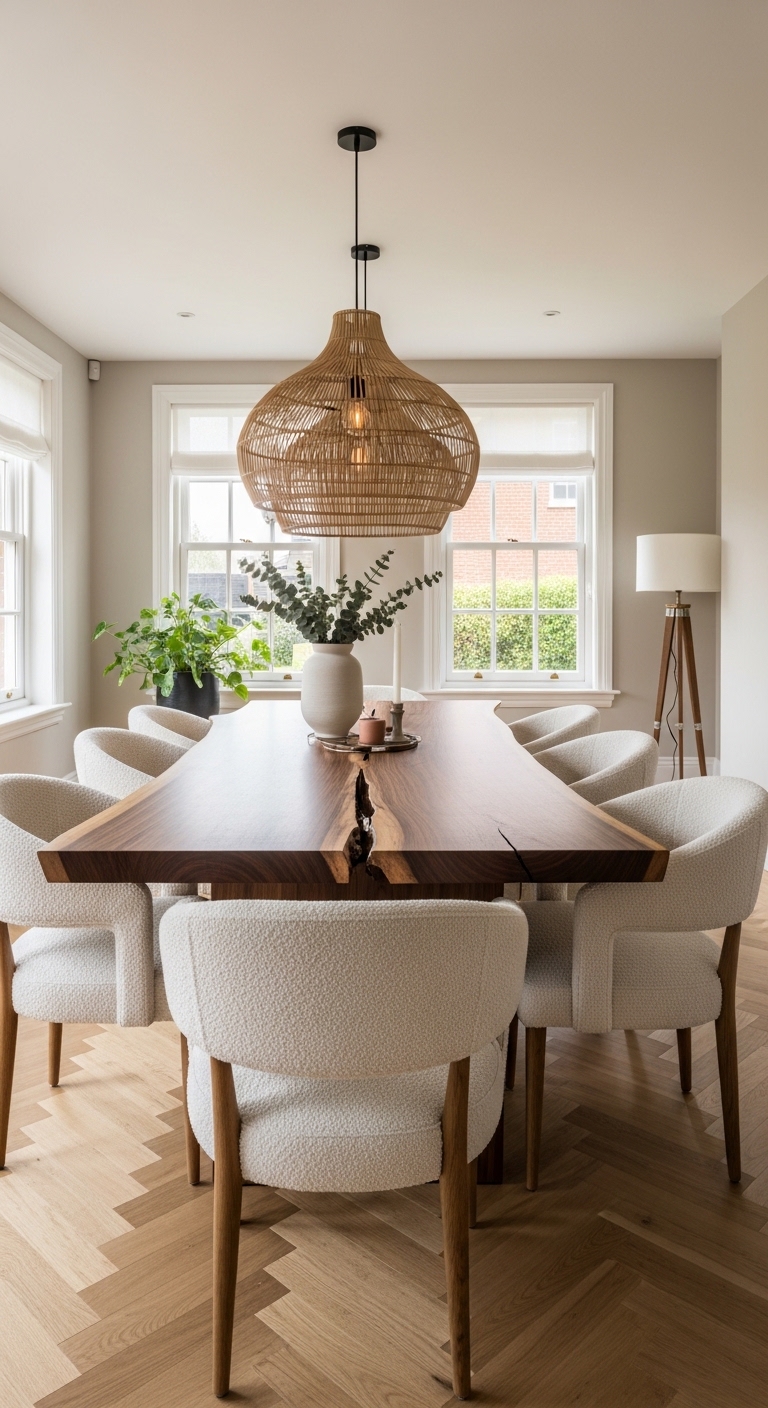
Every great dining room begins with a great dining table — and in 2026, the long solid wood dining table in warm walnut, natural oak, or reclaimed timber is the undisputed champion of dining room design. More than just a functional surface, a beautiful solid wood dining table is a genuine heirloom piece that anchors the entire room, sets the aesthetic tone for everything around it, and improves with every year of use as it develops its own unique patina and character.
The proportions of your dining table matter enormously — it should be large enough to seat your household comfortably with room for guests, but not so enormous that it overwhelms the room and makes intimate everyday meals feel lost.
2. Mix-and-Match Dining Chairs for an Eclectic Look
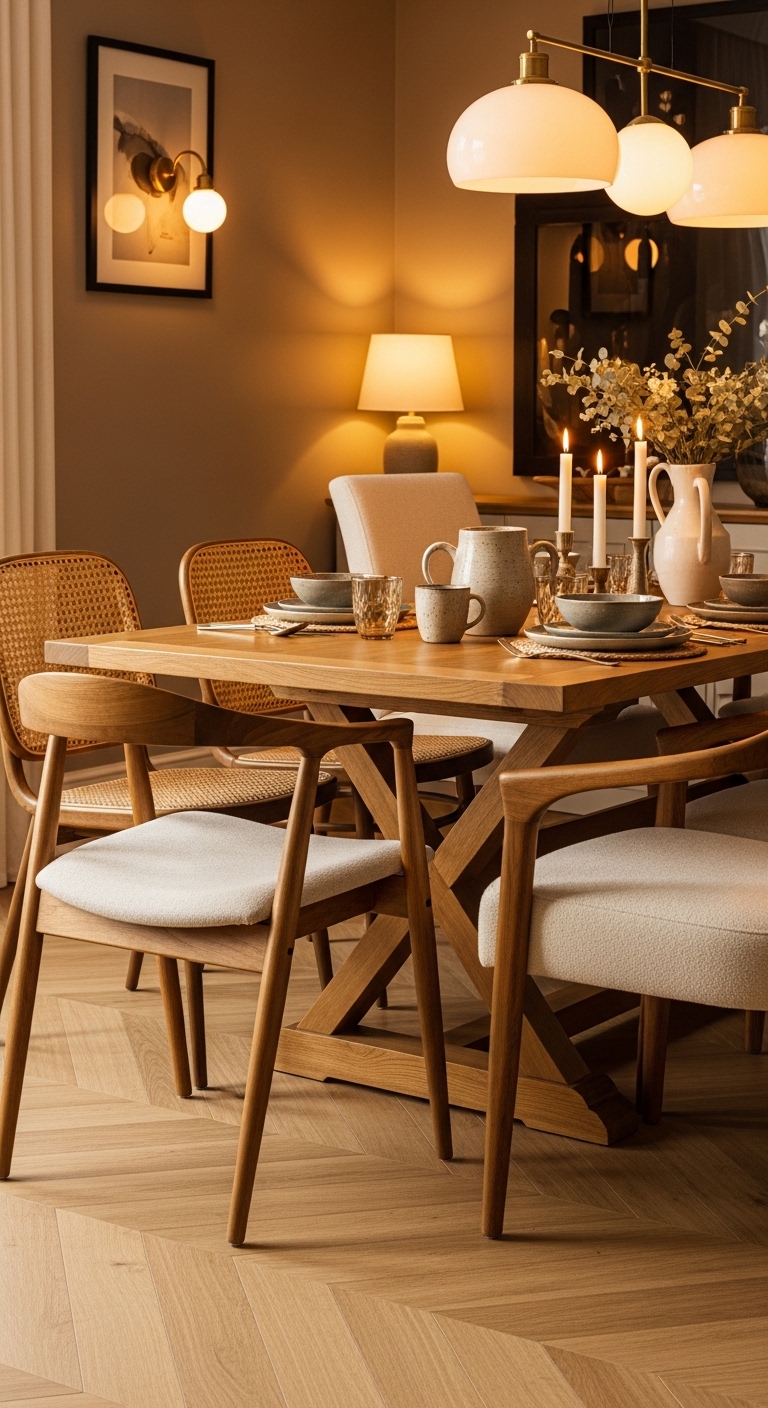
One of the most liberating and creatively exciting dining room design developments of recent years is the complete abandonment of the matched dining chair set. In 2026, mixing different dining chair styles, materials, and even colors around a single dining table is not just acceptable — it is actively celebrated as a mark of confident, individual style that makes a dining room feel genuinely collected and personal rather than bought as a set from a single store.
The most successful mix-and-match dining chair combinations follow a simple rule — vary the style but unify through material or color. For example, mix a rattan chair, a wooden chair, and an upholstered chair, but keep them all in the same warm neutral tone family.
3. Dramatic Statement Pendant Light Above the Table
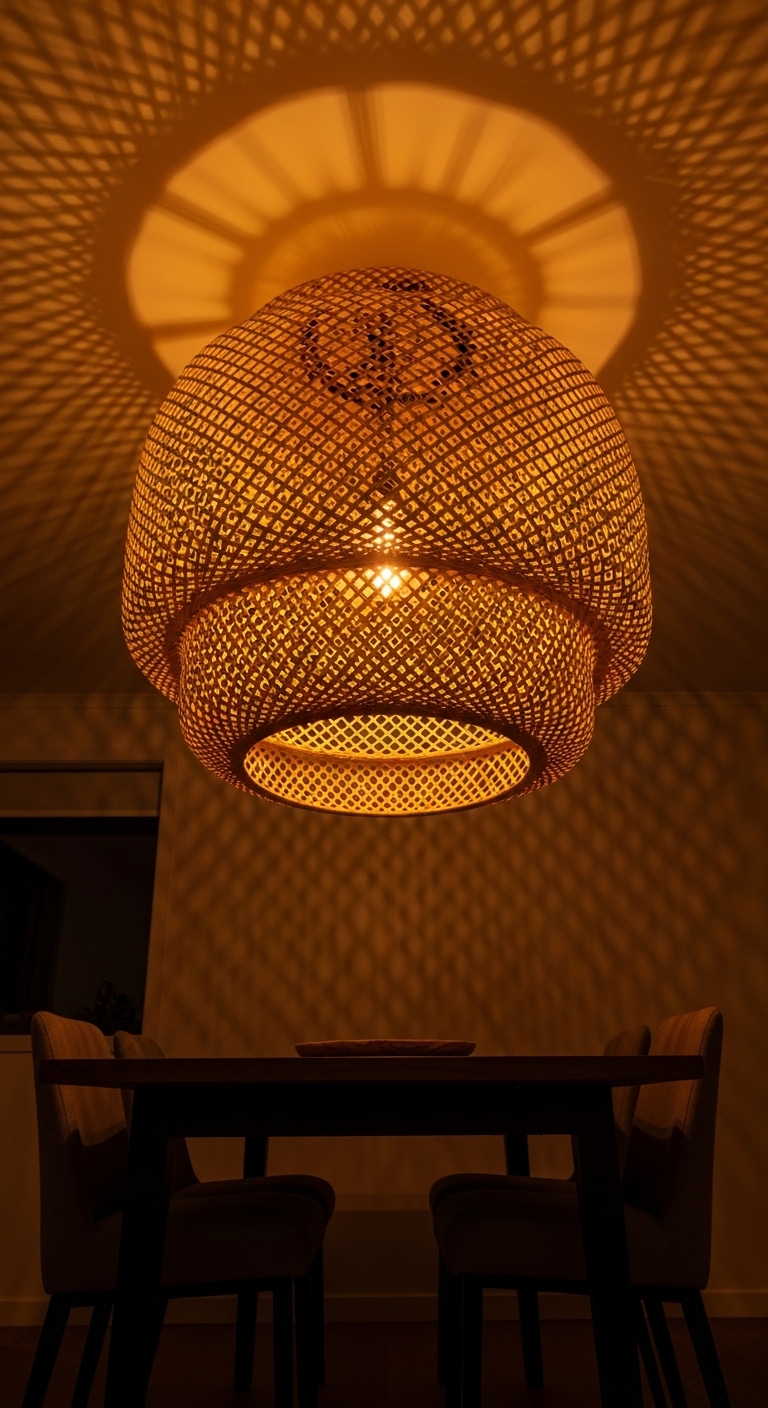
The pendant light above a dining table is one of the single most impactful design decisions in the entire room — it defines the scale, sets the atmosphere, and creates a visual focal point that draws the eye and anchors the dining area.
The golden rule of dining room pendant placement is to hang the light lower than you think — ideally with the bottom of the pendant sitting approximately 75 to 85 centimeters above the table surface.
4. Dining Room Gallery Wall That Sets the Scene
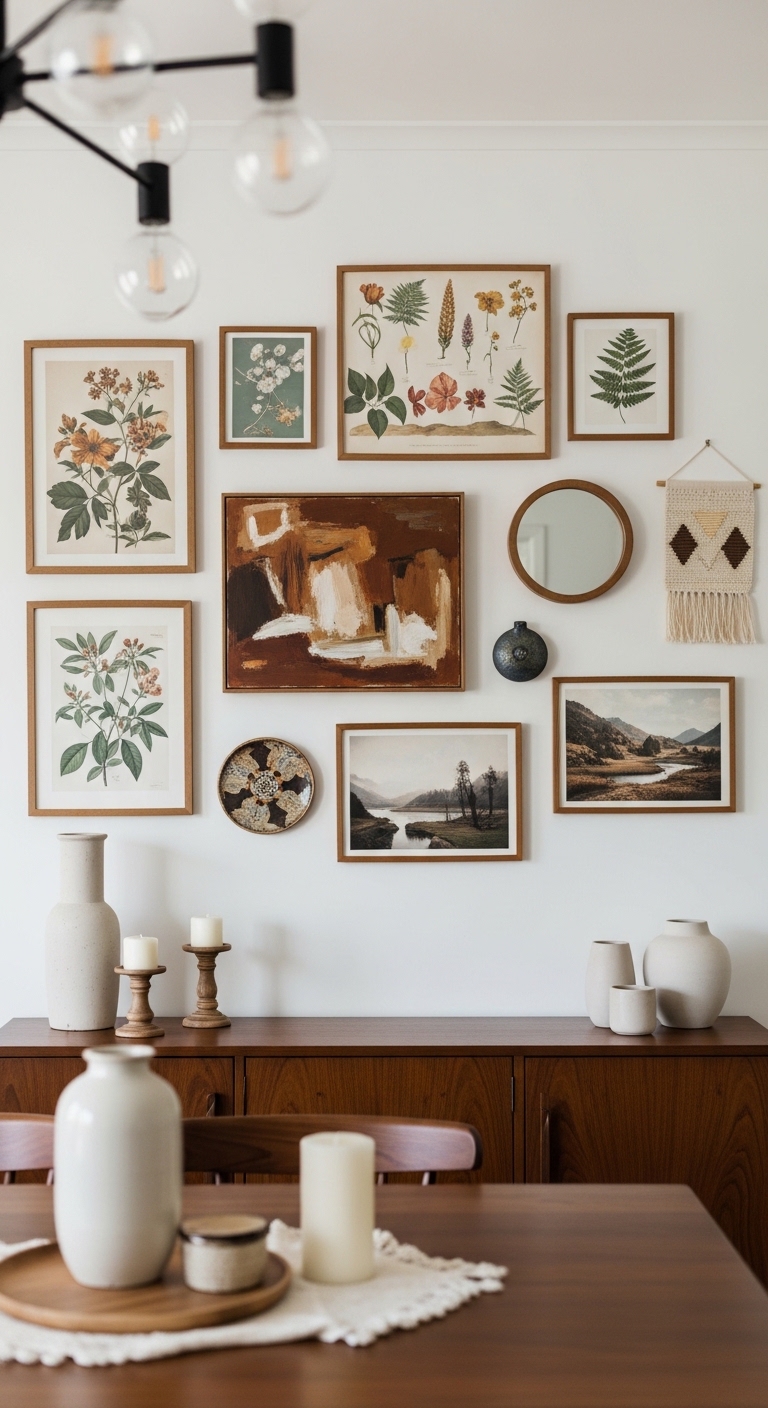
A gallery wall in the dining room creates an immediate sense of personality, warmth, and cultural richness that transforms a plain dining room into a space with genuine character and visual depth. In 2026, dining room gallery walls have evolved beyond the simple grid of matching frames into something far more eclectic, layered, and expressive — mixing original art, vintage prints, mirrors, sculptural wall objects, and meaningful photographs in arrangements that tell a story about the people who live there.
Position your dining room gallery wall on the wall most visible from the table — ideally the wall your guests face when seated — so that it becomes a backdrop for conversation and a source of visual interest throughout every meal.
5. Wainscoting and Wall Paneling for Architectural Depth
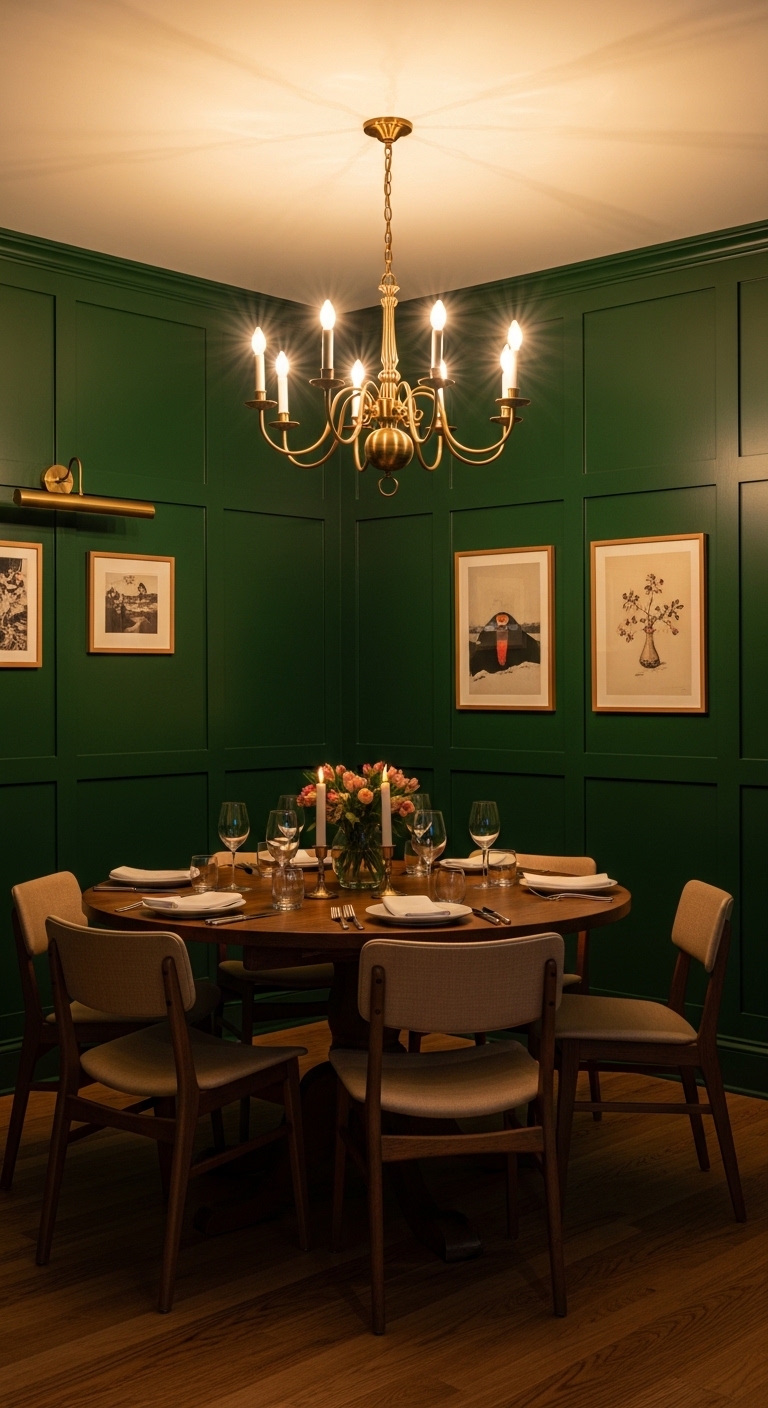
Wall paneling — whether classic wainscoting, board-and-batten, full-height tongue-and-groove, or elegant picture rail molding — adds an extraordinary layer of architectural character and visual richness to a dining room that paint alone simply cannot achieve.
The beauty of dining room wall paneling is its versatility — the same board-and-batten technique painted in crisp white gives a classic, colonial feel, painted in deep forest green creates a dramatic English country house atmosphere, and painted in warm terracotta or dusty clay evokes a Mediterranean warmth that is perfect for a room centered on the pleasures of food and gathering. The paneling itself is relatively simple to install for a confident DIYer and the transformation it creates is genuinely dramatic.
6. Earthy Dining Room Color Palette
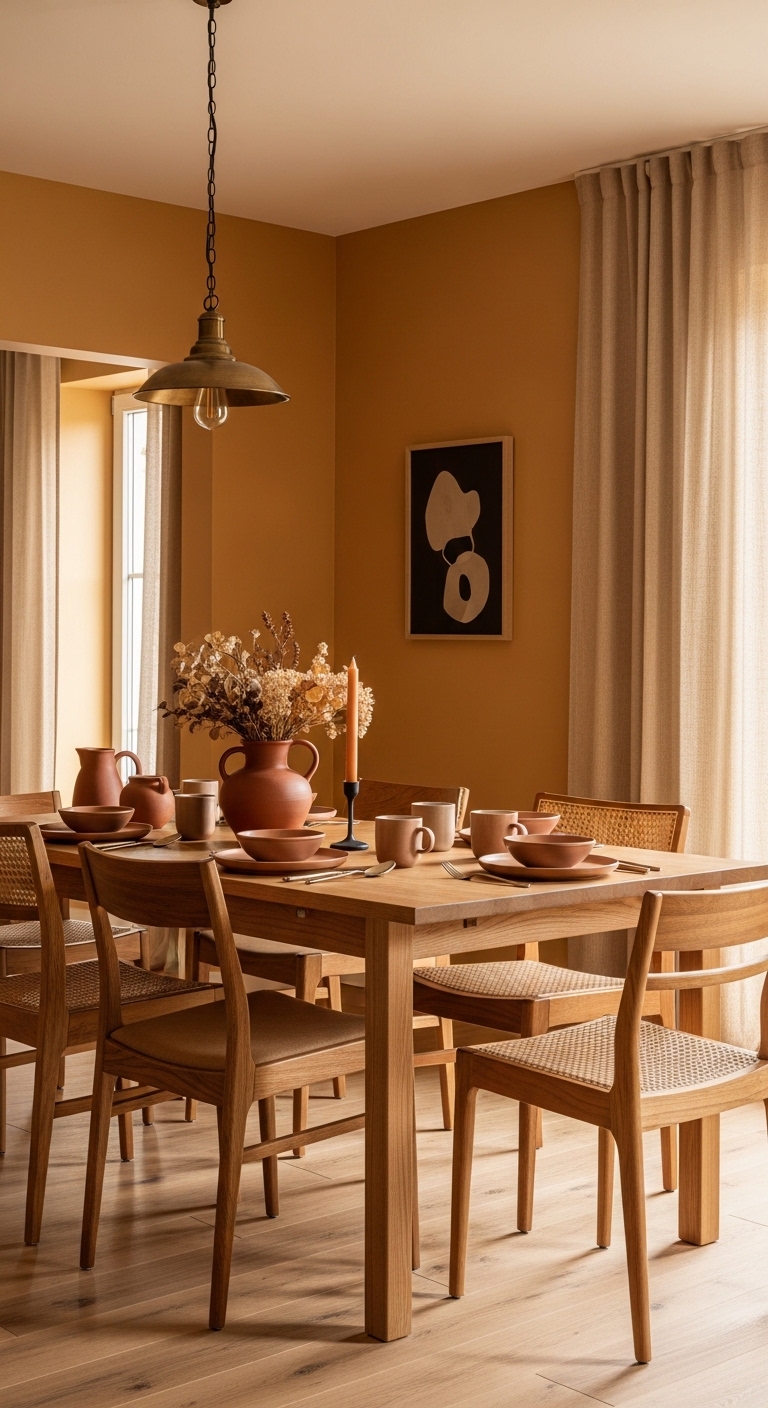
Color is the fastest and most transformative tool available to a dining room designer — and in 2026, the most beautiful and on-trend dining room color palettes are firmly rooted in the earthy, natural tones of the landscape. Warm terracottas, rich ochres, deep forest greens, warm mushroom taupes, dusty sages, and rich warm browns are the dominant dining room colors of the moment, creating rooms that feel warm, intimate, and deeply connected to the natural world.
The psychology of dining room color is particularly important — we eat and socialize more comfortably and joyfully in warm, enveloping color environments than in cool, stark ones. Warm earthy tones stimulate appetite, encourage relaxed conversation, and make people feel welcome and comfortable in a way that cool whites, greys, and blues simply do not.
7. A Sideboard Styled to Perfection
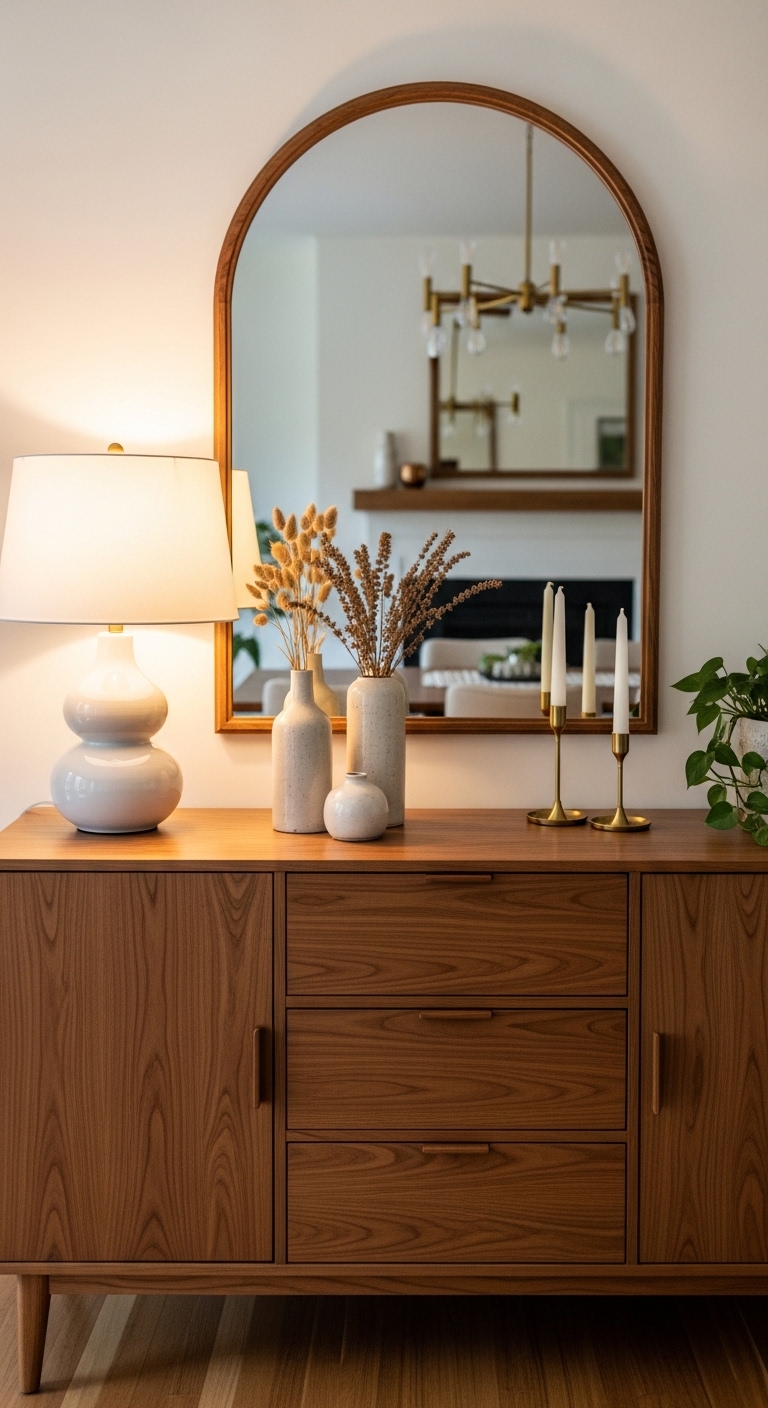
A sideboard or credenza in the dining room is simultaneously one of its most practical and most decoratively important pieces of furniture — providing essential storage for table linens, serving pieces, and wine, while also offering a generous surface for one of the most beautiful and visible styling opportunities in the entire room.
Choose a sideboard in a material that complements your dining table — a warm walnut sideboard pairs beautifully with any warm wood dining table, a rattan or cane-fronted sideboard brings natural texture and bohemian warmth, and a painted or lacquered sideboard in a contrasting color creates a deliberate, design-forward moment.
8. Candlelight as the Ultimate Dining Room Atmosphere Maker
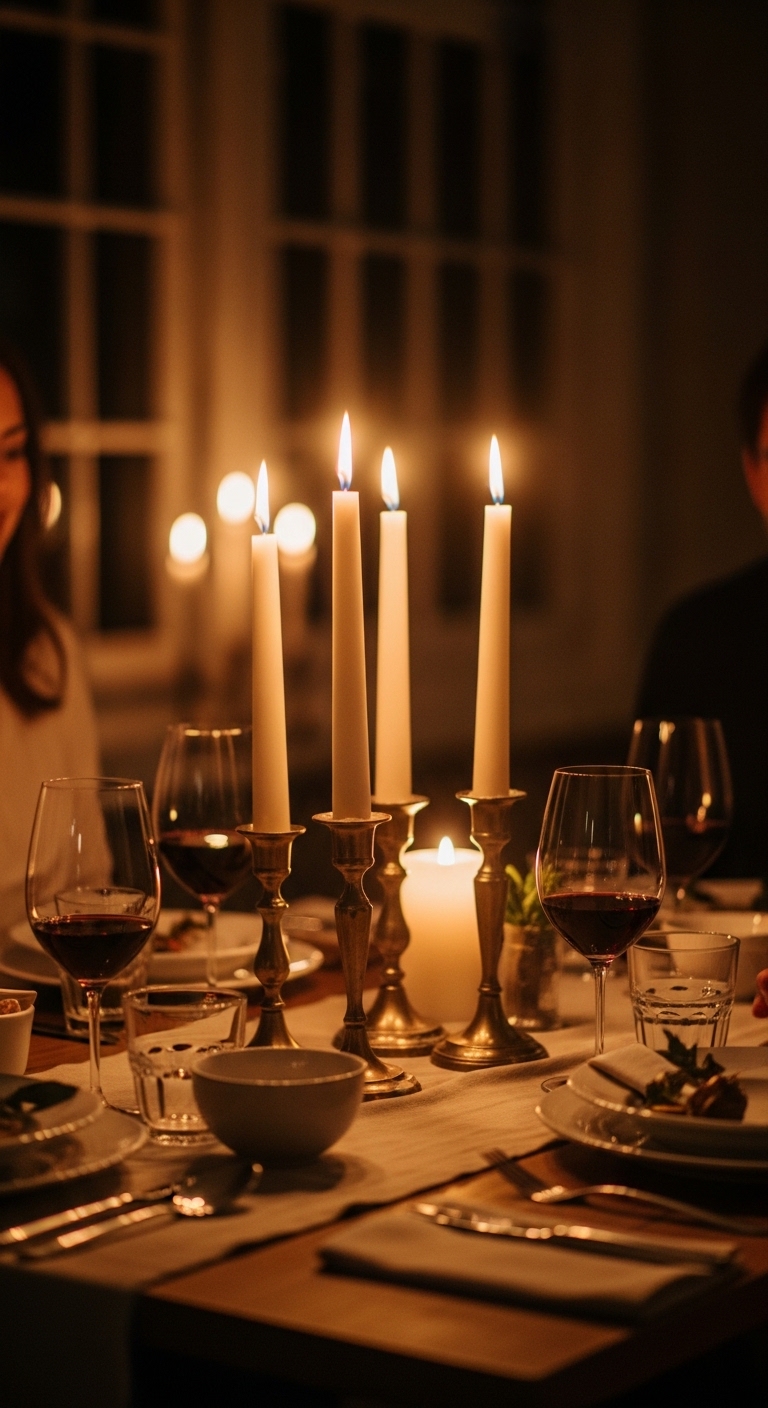
No single element transforms the atmosphere of a dining room more completely and magically than candlelight. The warm, flickering, intimate light of real candles makes every meal feel like an occasion, makes every face around the table look beautiful, and creates a sense of warmth and togetherness that electric lighting — however warm and well-designed — can never fully replicate.
Build a complete dining room candle strategy that works at multiple scales — tall tapered candles in aged brass or ceramic holders for the most elegant and dramatic look, grouped pillar candles on a wooden board or stone tray for a more rustic, abundant feel, and tea lights in glass votives scattered along the table runner for a softer, more diffused candlelight.
9. Bringing Nature Inside With Dining Room Plants
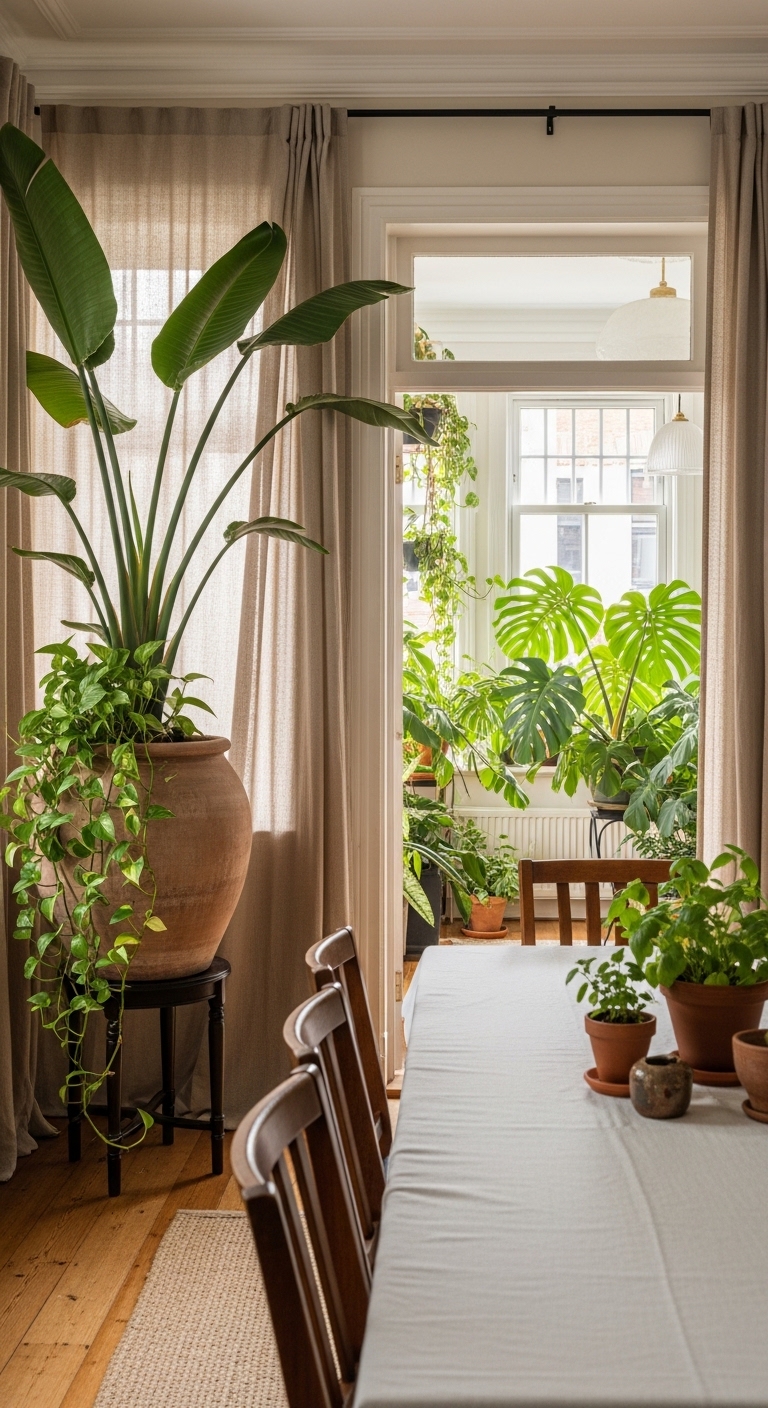
Plants in the dining room bring a living, breathing energy that connects the act of eating to the natural world in a deeply satisfying way — and in 2026, the integration of generous, abundant plant life into dining room design is one of the strongest and most universally embraced trends in interior design. A dining room with beautiful, thriving plants feels like eating in a garden — alive, fragrant, oxygenated, and deeply pleasurable.
The most impactful dining room plant placement is a large statement plant in a corner — a fiddle leaf fig, a bird of paradise, a large monstera, or a tall olive tree in a beautiful pot creates a dramatic vertical element that anchors the corner and brings the scale of the outdoors inside. Position this statement plant where it receives good natural light and where it can be seen and appreciated from the dining table.
10. A Round Dining Table for Intimate Gatherings
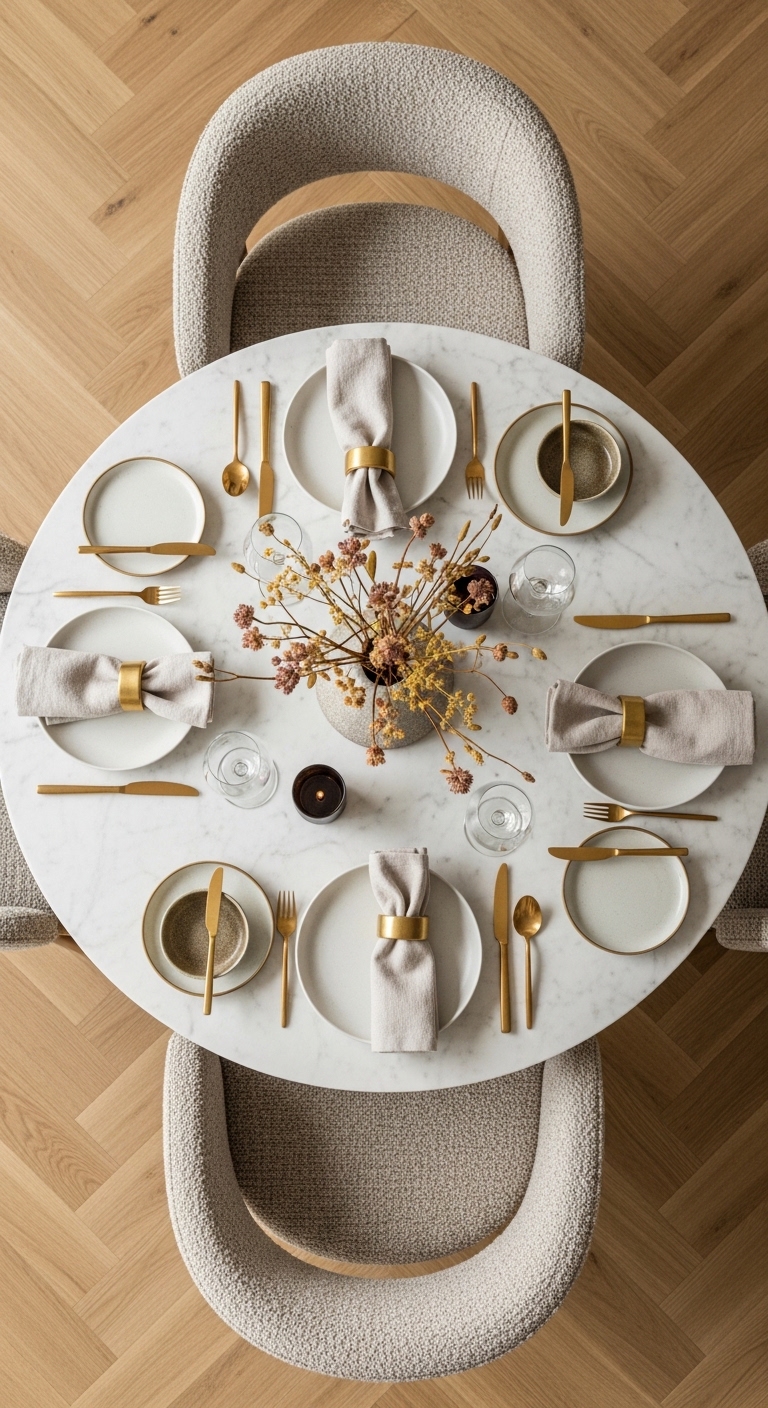
The round dining table is one of the most socially and aesthetically perfect forms a dining table can take — and in 2026 it is experiencing a powerful resurgence as dining room designers and homeowners rediscover its unique ability to create genuinely intimate, connected dining experiences. Around a round table, every person can see and speak to every other person with equal ease — there is no head, no foot, no hierarchy — just a perfect circle of connection.
A round dining table also has significant practical advantages for smaller dining rooms — it takes up less floor space than a comparable rectangular table, it has no corners to navigate around, and it fits beautifully into square dining rooms and dining alcoves where a rectangular table would feel awkward and cramped. A 120cm round table seats four generously and six comfortably, making it an excellent choice for most household dining needs.
11. Linen Table Styling for an Effortless Elegant Table
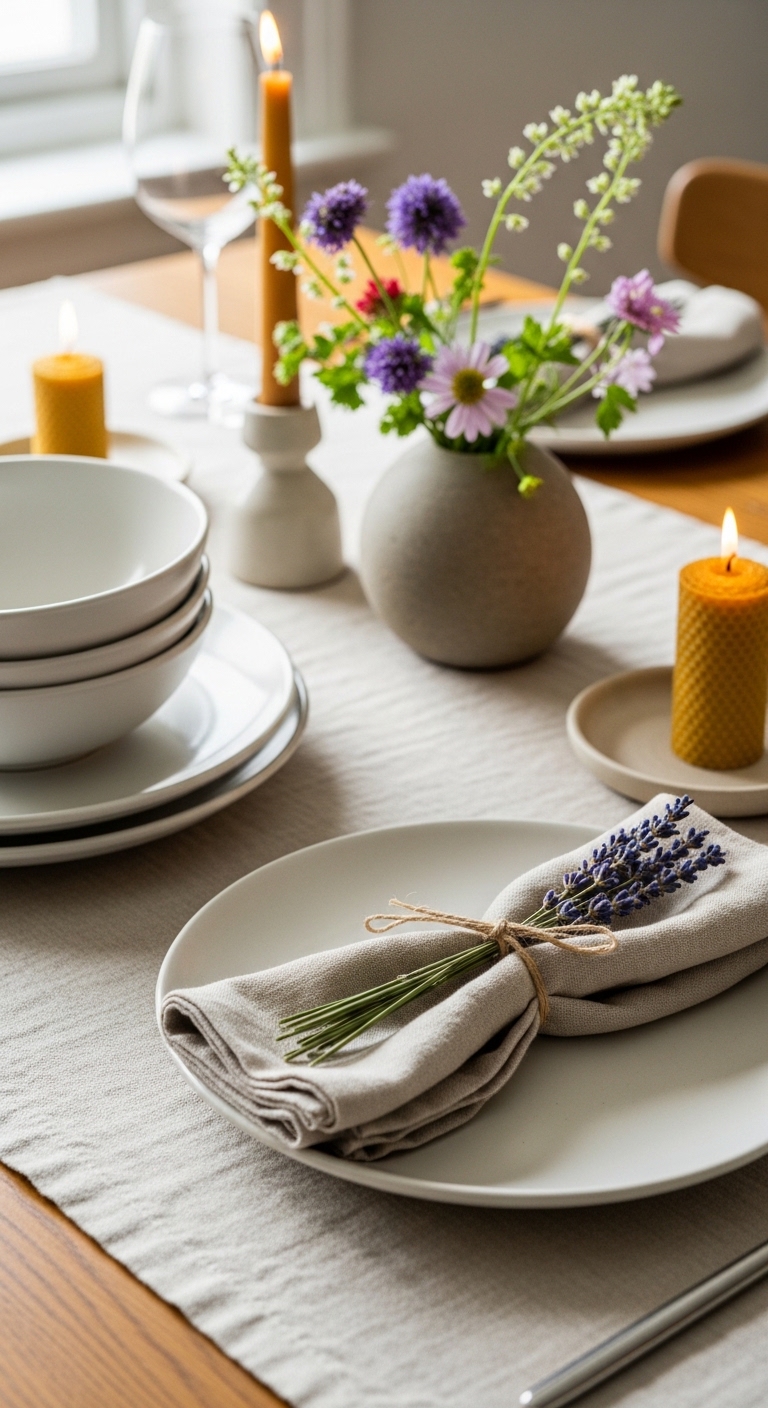
The art of table styling — dressing your dining table beautifully for everyday meals and special occasions alike — is one of the most rewarding and impactful domestic arts, and in 2026 the most beautiful and on-trend table styling approach centers on natural linen in all its wonderful variety. Linen table runners, napkins, placemats, and even linen-covered bread baskets create a table that feels simultaneously casual and deeply elegant — the sweet spot of modern dining style.
Linen napkins folded casually rather than precisely and placed simply on each plate or tied with a sprig of dried lavender or a small piece of twine are the earthy, natural alternative to stiff starched napkins and elaborate napkin folds. The relaxed, unpretentious beauty of naturally wrinkled linen on a dining table says — this meal matters, you matter, and we have created something beautiful for you — without an ounce of stiffness or formality.
12. Banquette Seat for a Cozy Dining Nook
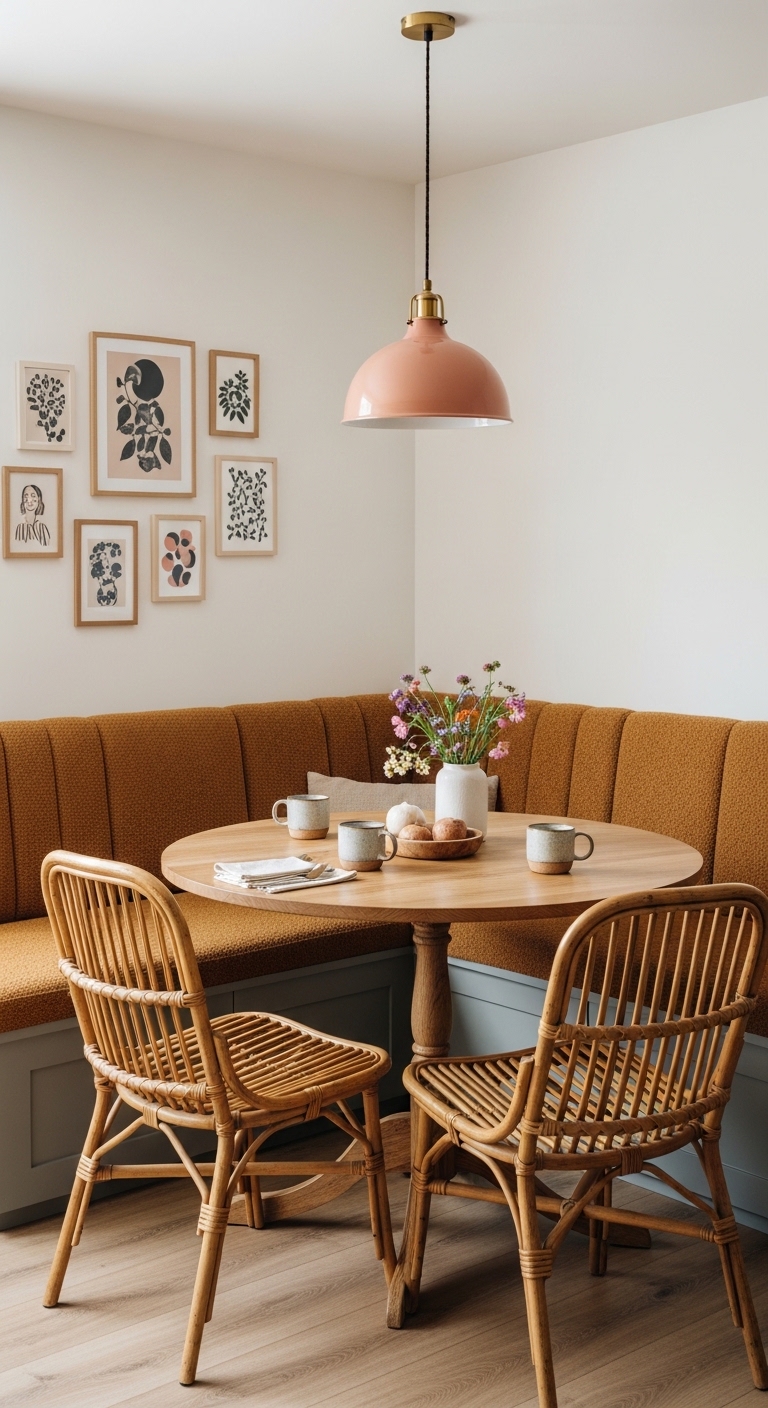
A built-in banquette seat — an upholstered bench built into a corner or along a wall of the dining room — is one of the coziest, most space-efficient, and most socially intimate dining room features you can create. Banquette seating creates an immediate sense of enclosure and togetherness that freestanding chairs simply cannot replicate — diners seated on a banquette feel held and comfortable in a way that encourages them to linger longer over meals and conversation.
A corner banquette combined with a round or square dining table and two or three individual chairs on the opposite side creates the most intimate and beautiful dining nook possible — a space that feels like a restaurant booth but with the warmth and personality of a home.
13. Ceramic and Handmade Dinnerware as Everyday Art
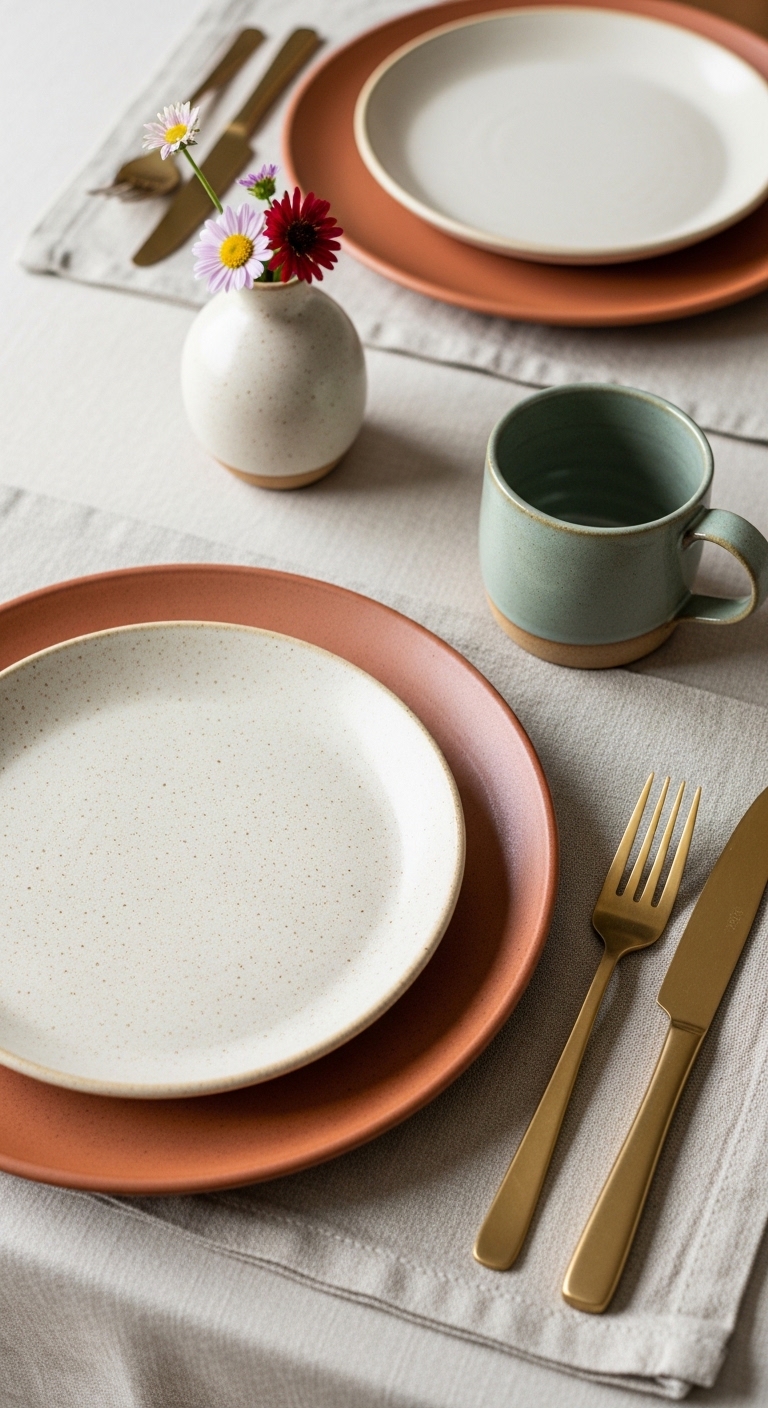
The beauty of handmade ceramics as dinnerware is their wonderful imperfection — each piece is slightly different from every other, with its own unique glaze variations, rim irregularities, and surface textures that make it genuinely one of a kind. Eating from a beautiful handmade plate or drinking from a hand-thrown mug is a small but genuinely pleasurable daily experience that connects you to the skill and artistry of the maker every single time.
Build your ceramic dinnerware collection gradually rather than buying a complete matching set — mix pieces from different makers, in different but complementary earthy glazes, and let your table setting evolve organically over time. A table set with a beautiful, eclectic mix of handmade ceramics in warm terracotta, dusty sage, warm cream, and speckled stone glaze is far more interesting and beautiful than any matching set from a mass-market retailer.
14. A Dining Room Rug That Defines the Space
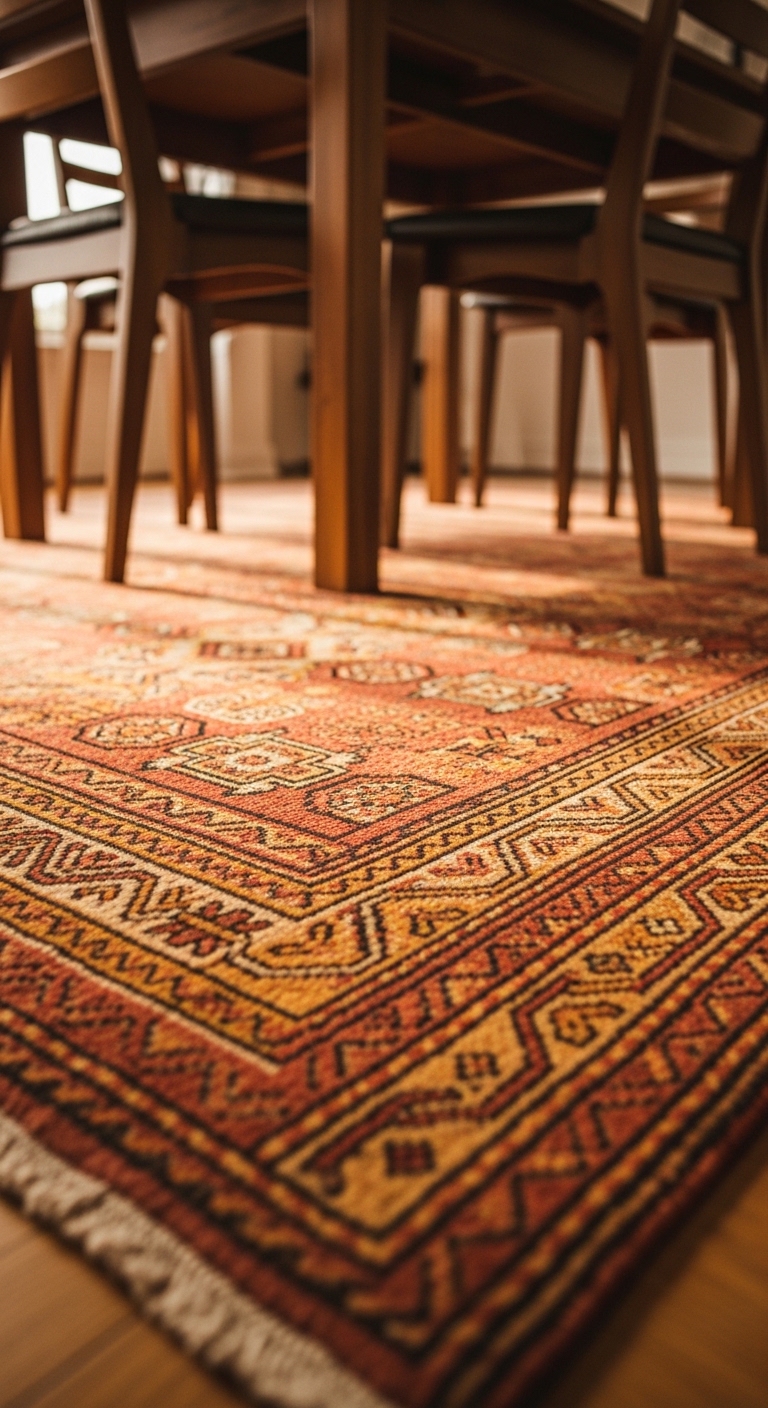
A rug under the dining table serves a dual purpose that makes it one of the most important and impactful elements in dining room design — it visually defines and anchors the dining area within a larger open-plan space, and it adds warmth, color, texture, and acoustic softness to what is often a room dominated by hard surfaces.
The most critical rule of dining room rug sizing is to go larger than you think necessary — the rug must be large enough that all dining chairs remain on the rug even when pulled out for sitting. A rug that is too small creates a visually awkward situation where chairs slide off the rug edge when pulled out, which both looks wrong and catches uncomfortably on the transition between rug and floor.
15. Open Shelving as Dining Room Storage and Display
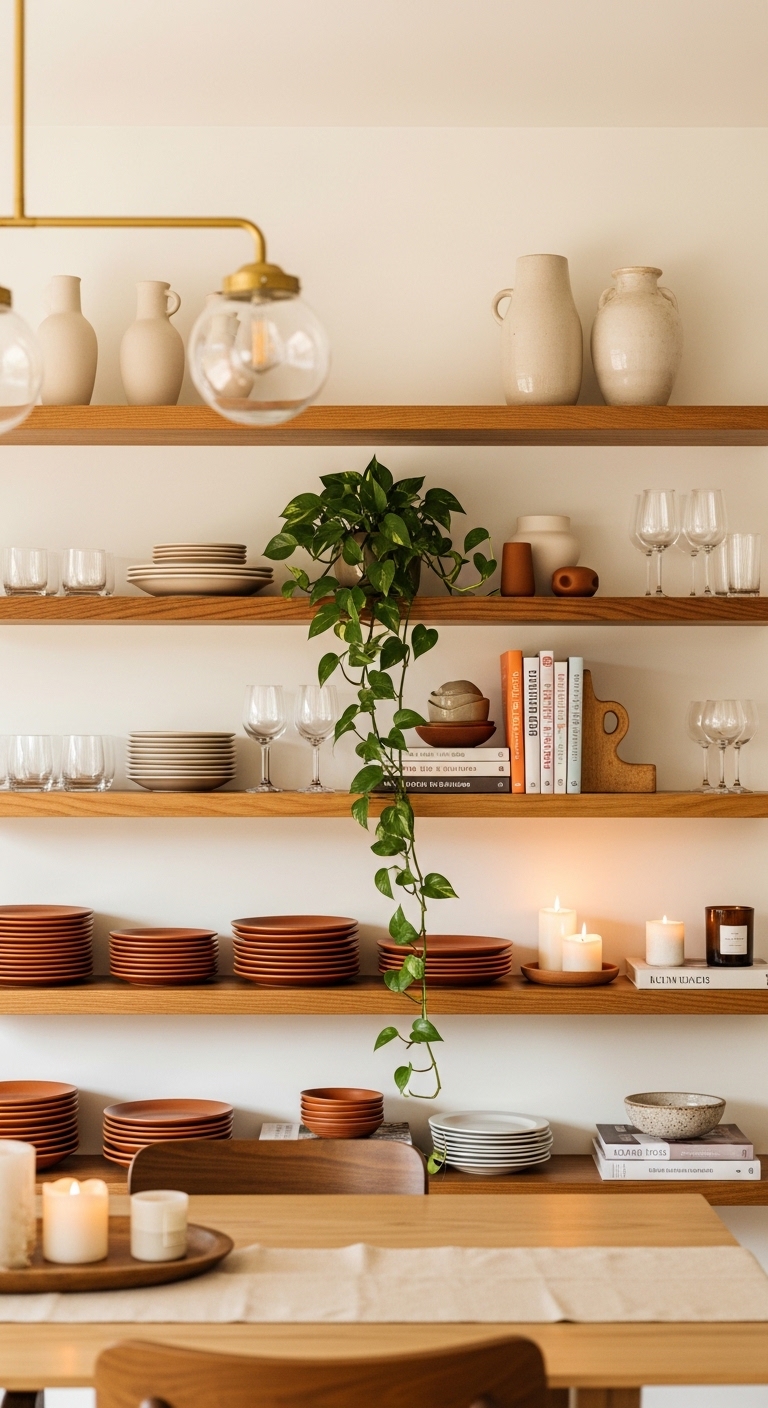
Open shelving in the dining room — whether floating wooden shelves on a feature wall, a large freestanding open shelving unit, or a combination of open and closed storage — offers the dining room the same transformative design opportunity that open kitchen shelving provides: the chance to turn functional storage into a beautiful, curated display that adds personality, warmth, and visual richness to the room.
Style your dining room open shelves with a considered mix of functional and decorative items — stacked ceramic dinnerware that is beautiful enough to display, glassware in varying sizes, a collection of serving pieces in complementary materials, cookbooks with beautiful spines, and decorative objects like ceramic vessels, small plants, candles, and meaningful objects that add personal character to the display.
16. Japandi Dining Room for Calm Minimalist Beauty
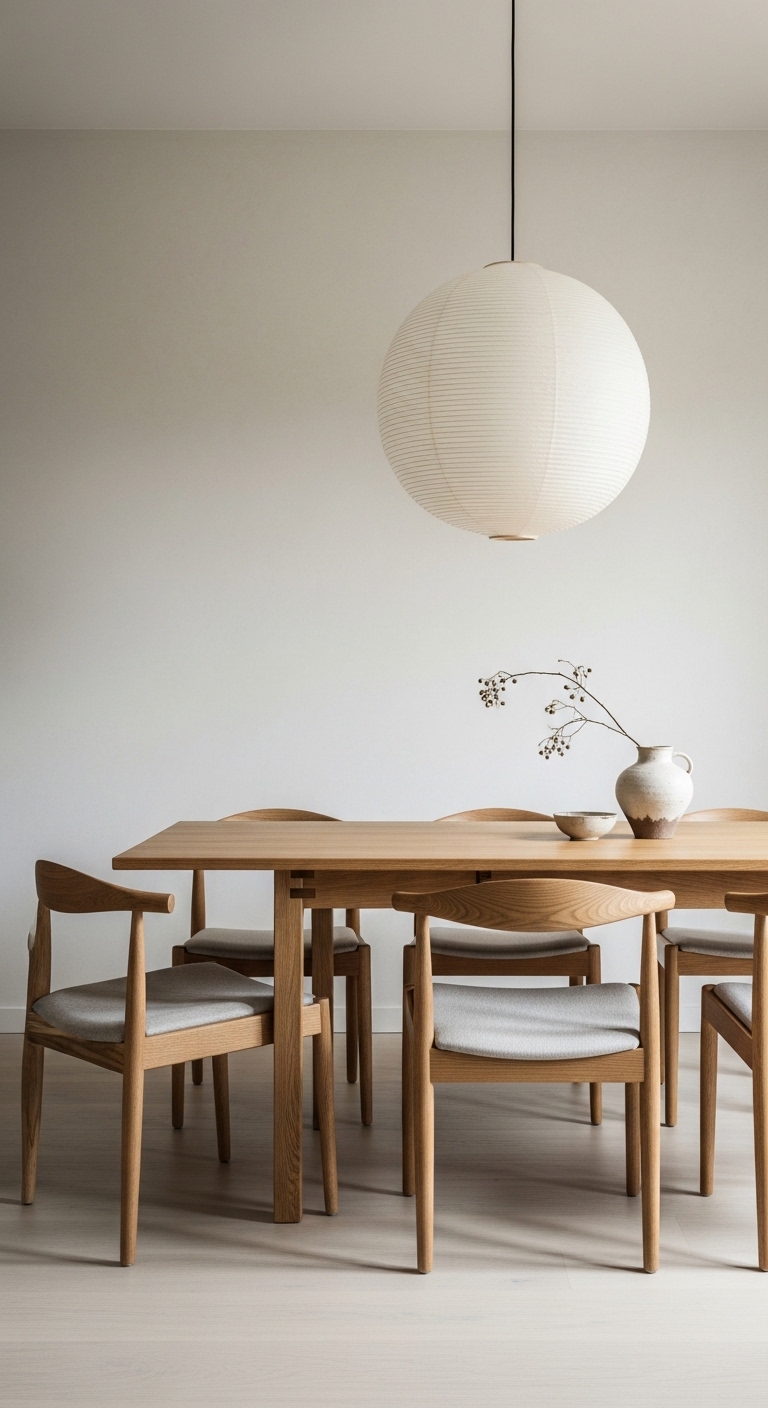
A Japandi dining room is characterized by clean, simple furniture silhouettes in natural wood — a simple solid oak dining table with clean lines, low dining chairs in natural wood with minimal cushioning, a single large sculptural pendant light in natural paper or rattan, and walls in a warm, muted neutral tone. Every object in the room is chosen for its beauty and functionality and nothing superfluous is present.
The warmth of the Japandi dining room comes entirely from the quality and beauty of its natural materials — the grain of the wood, the texture of the linen, the softness of the ambient light, the imperfection of a single handmade ceramic vase on the table. In a Japandi dining room, restraint is a form of generosity — by removing everything unnecessary, the beauty of what remains is allowed to breathe and be fully appreciated.
17. Dramatic Dark Dining Room for Evening Entertaining
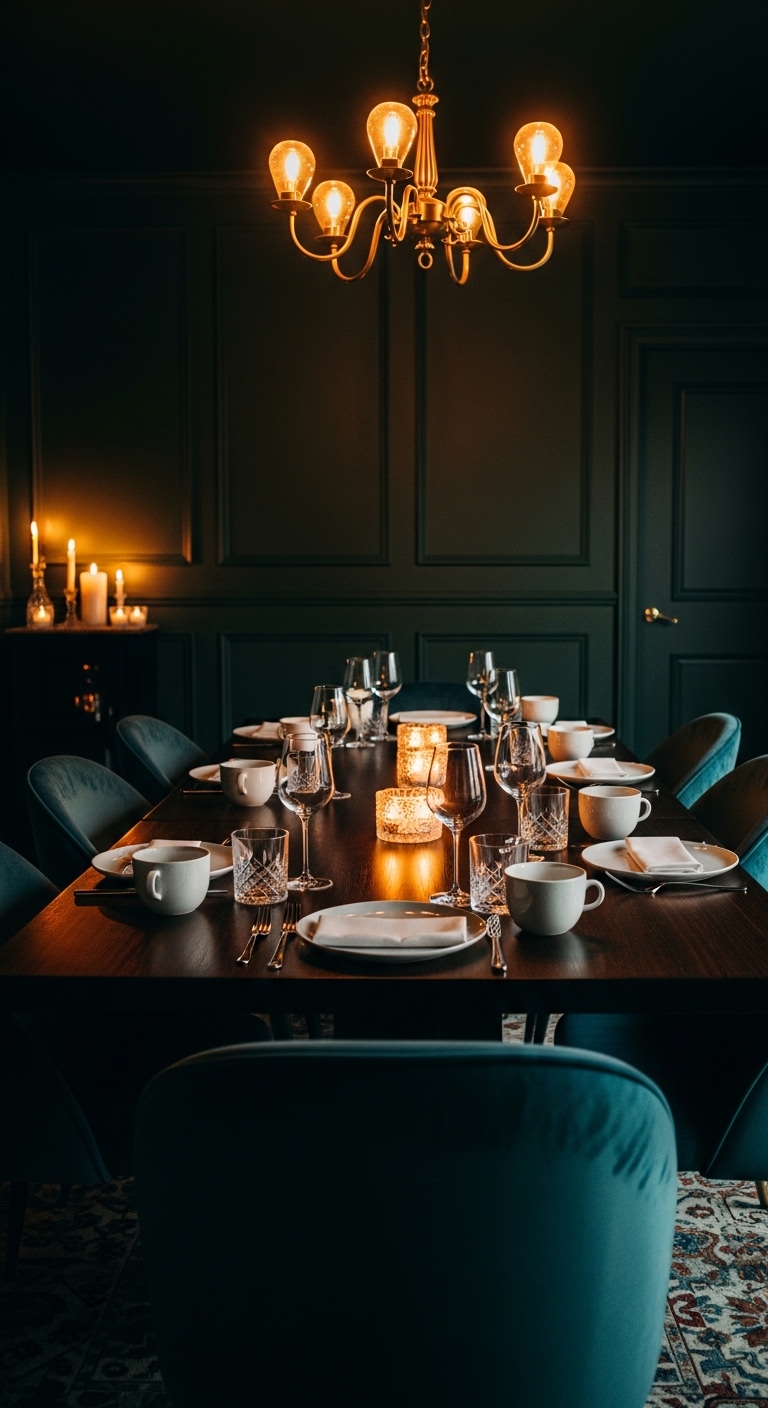
While light, airy dining rooms photograph beautifully in the daytime, a dark, dramatically decorated dining room comes truly alive in the evening — and in 2026, the dark dining room has become one of the most sought-after and admired residential design statements.
The secret to a successful dark dining room is warmth — the darkness must come from deep, warm-toned colors rather than cold, stark ones, and the lighting must be layered and amber-toned to prevent the room from feeling gloomy or oppressive.
18. Outdoor-Indoor Dining With Folding Glass Doors
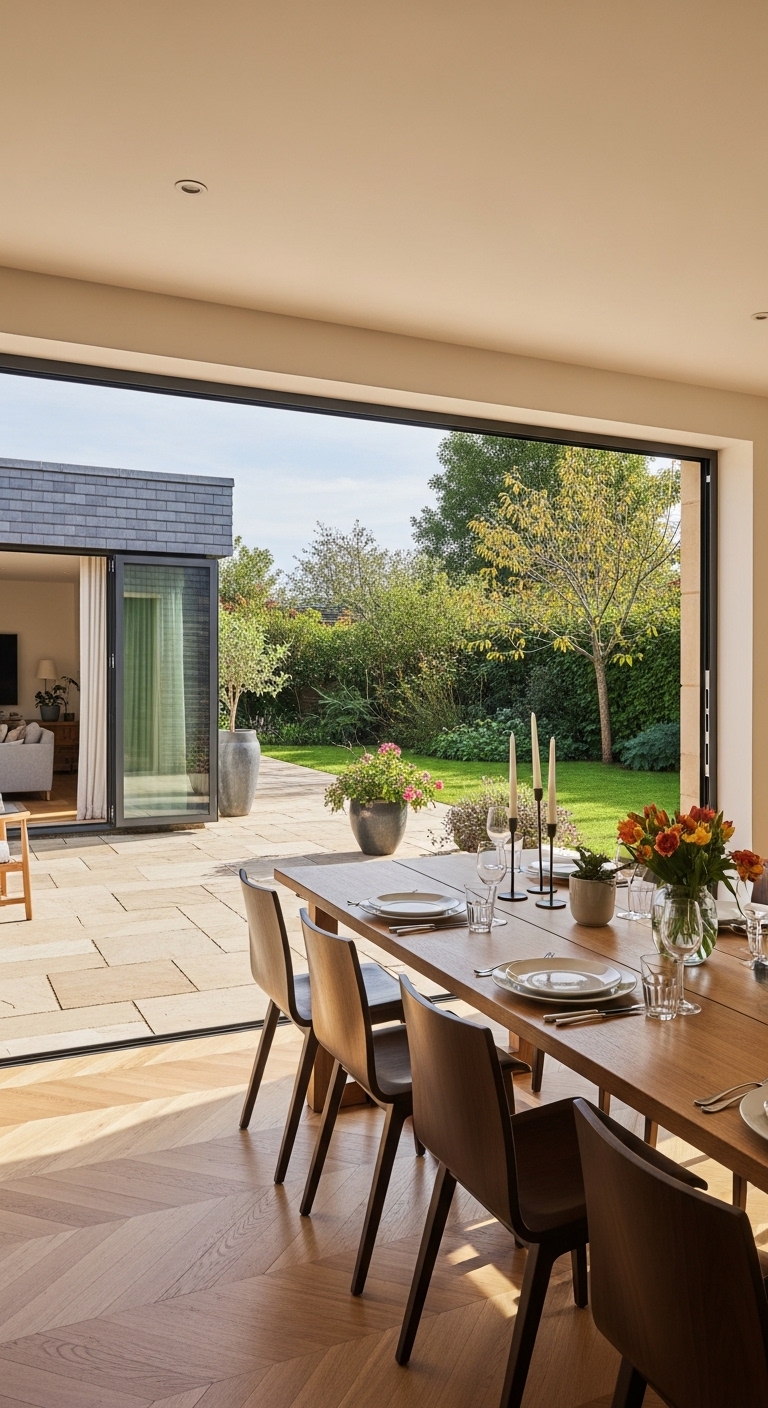
One of the most coveted and transformative features in modern home design is the seamless connection between indoor dining space and outdoor terrace or garden — achieved through large folding or sliding glass doors that can open the entire wall of a dining room to the outdoors, effectively doubling the dining space and creating an extraordinary indoor-outdoor living experience.
When the folding glass doors are fully open on a beautiful day, the dining room flows directly into an outdoor dining terrace that mirrors the interior — the same table extending or matching outdoor furniture outside, the same pendant light style echoed in outdoor lanterns or string lights, the same plant varieties carried from indoor pots to outdoor garden beds.
19. Centerpiece That Changes With the Seasons
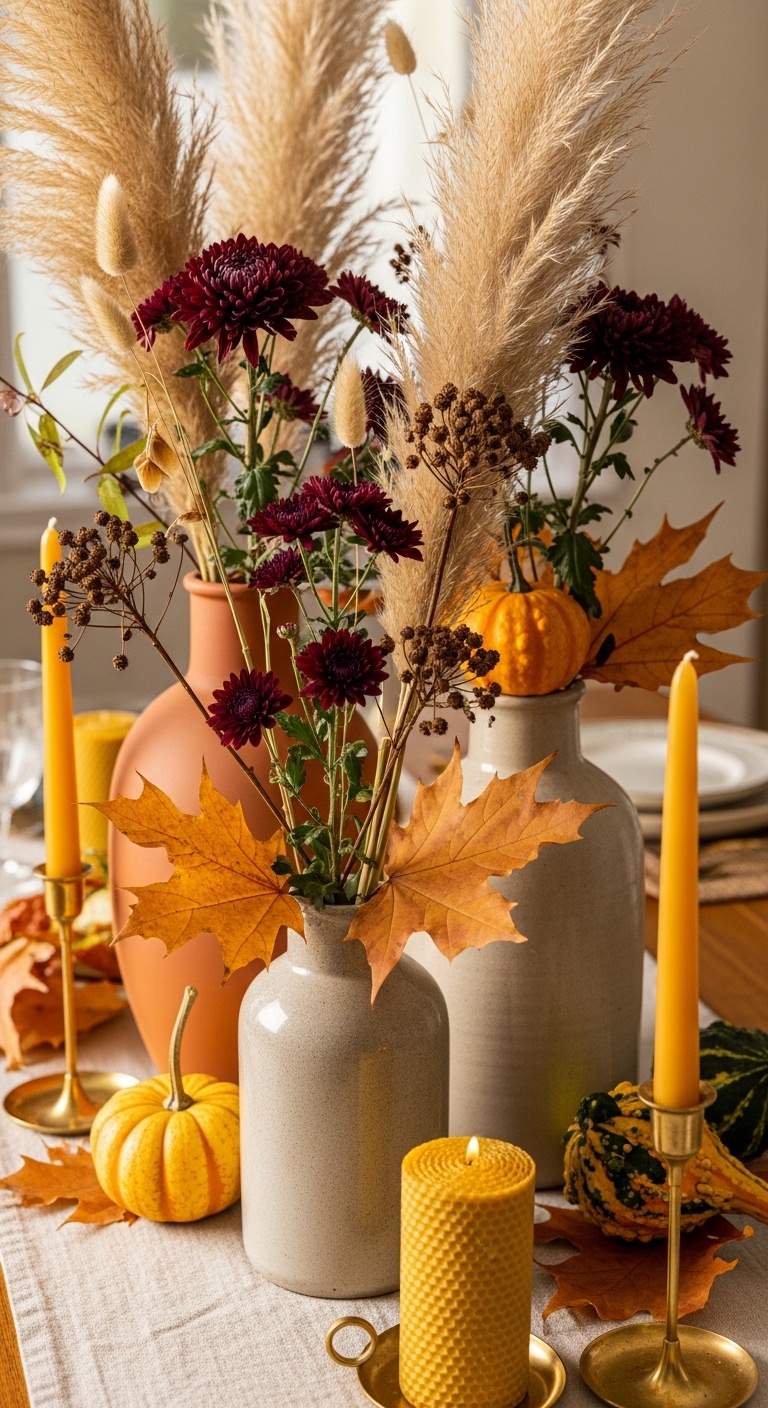
A dining table centerpiece that evolves with the seasons is one of the most beautiful and living expressions of a home that is genuinely connected to the natural world — and in 2026, seasonal table styling has become one of the most celebrated and widely practiced domestic arts among home design enthusiasts.
In spring, bring the garden to the table with generous arrangements of fresh garden flowers — tulips, ranunculus, sweet peas, and lilac — in simple ceramic or stone vases. In summer, transition to looser, more abundant arrangements of wildflowers, garden roses, and trailing herbs in terracotta pots alongside sun-warmed fruits in a beautiful wooden bowl.
20. Statement Ceiling in the Dining Room
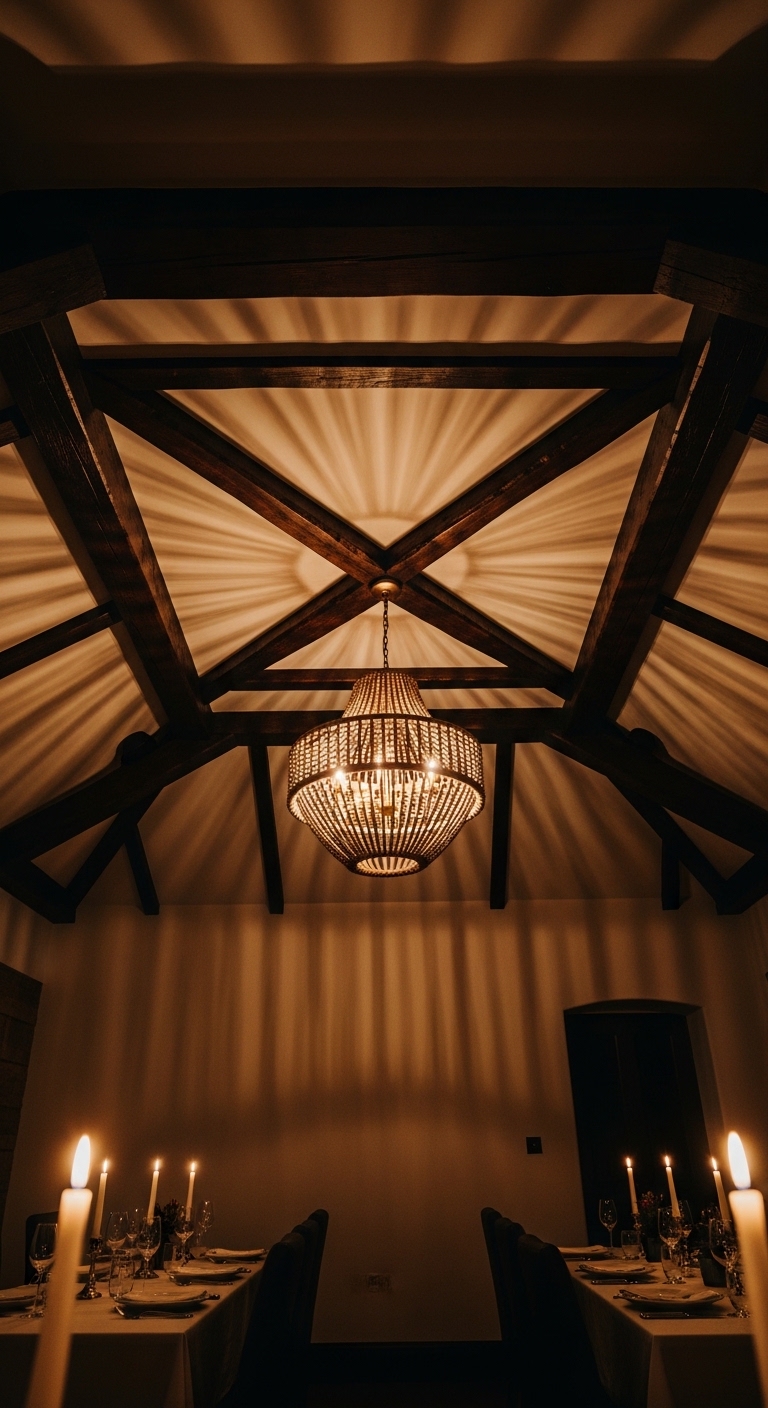
The ceiling — the fifth wall — is one of the most underutilized design surfaces in most homes, and the dining room is perhaps the room where a beautifully designed ceiling has the most impact, since diners naturally look upward during conversation and the ceiling above the dining table is always within the field of comfortable vision. In 2026, statement dining room ceilings are one of the most exciting and creatively explored frontiers of interior design.
The most impactful dining room ceiling treatments include: exposed wooden beams that add warmth and architectural character; a coffered ceiling with geometric panel detail that adds classical elegance; a painted ceiling in a bold, contrasting color or the same deep tone as the walls for an immersive color-drenched effect; and applied ceiling moldings in a geometric or botanical pattern that creates an intricate, jewel-box quality overhead.
21. Dining Room That Tells Your Personal Story
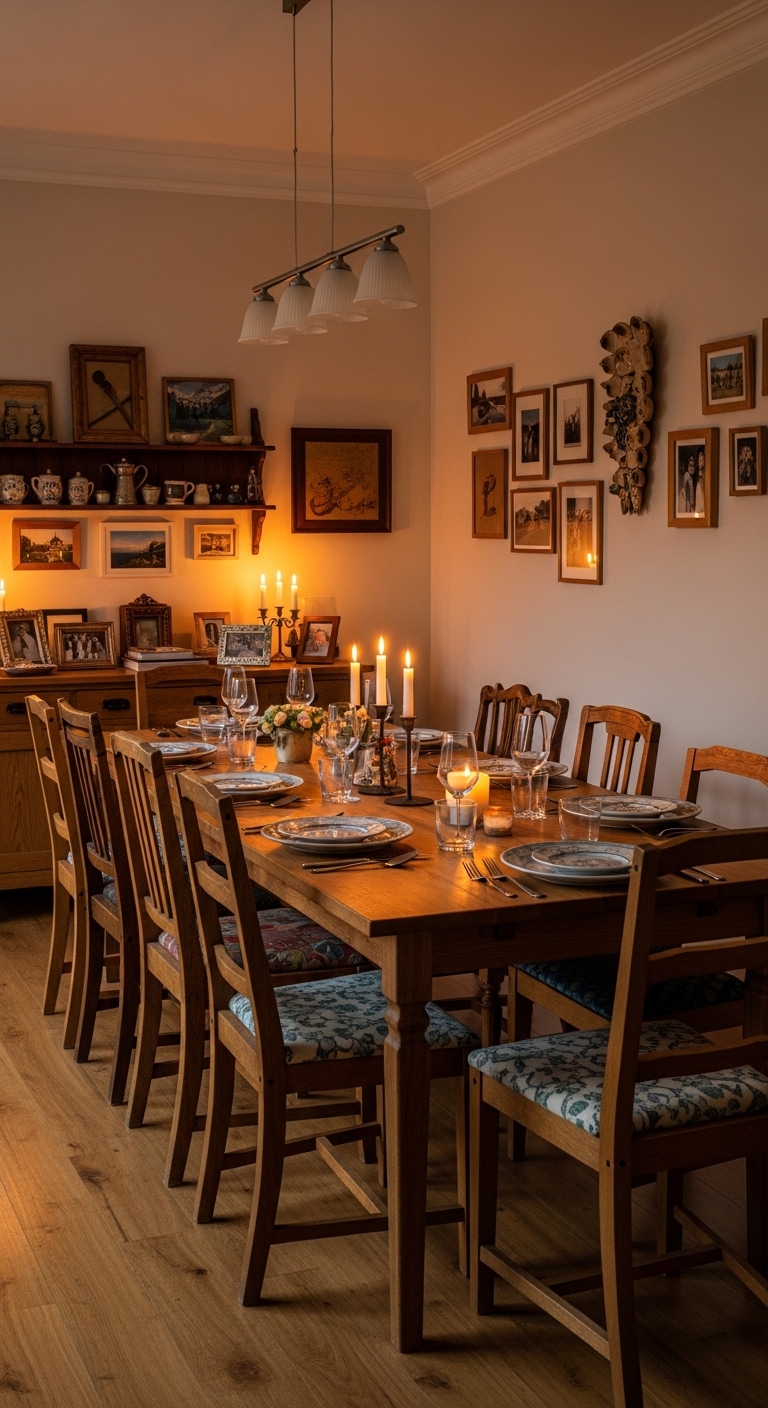
The most beautiful dining rooms in the world are not the ones that look most perfectly designed or most accurately reflect a current trend — they are the ones that feel most genuinely inhabited, most personal, and most full of the particular personality and history of the people who live and eat and gather within them.
Display the things that genuinely mean something to you — the plates your grandmother brought from another country, the art print you bought on a trip that changed your life, the wooden serving board your partner made with their own hands, the ceramics you collected from a local market over years of Sunday mornings.
Conclusion
The dining room is far more than a room with a table and chairs — it is the beating heart of your home, the place where the most important moments of daily life unfold, where nourishment and connection and celebration all happen together in the most fundamentally human of rituals. Every idea in this guide — from the live-edge walnut table and the dramatic dark walls to the seasonal centerpiece and the collection of handmade ceramics — serves the same ultimate purpose: making your dining room a place so warm, so beautiful, and so genuinely welcoming that the people you love never want to leave the table.
In 2026, the most beautiful dining rooms are not defined by their adherence to a particular style or their faithfulness to current trends — they are defined by the warmth of their light, the richness of their materials, the depth of their personality, and the generosity of spirit they embody.