The walls of a bedroom set the tone for the entire room, often serving as the backdrop for everything from the headboard to the lighting and decor choices. A thoughtfully designed wall can transform a plain bedroom into a space that feels intentional, layered, and visually rich. From texture to color to architectural detail, there are countless ways to elevate this often-overlooked surface.
This list covers ten bedroom wall design ideas, ranging from subtle texture to bold statement choices. Each idea focuses on how the wall treatment interacts with furniture, lighting, and the room’s overall mood. Whether you’re working with a rental-friendly approach or planning a full renovation, these ideas offer inspiration for nearly any space. Let’s explore how the right wall design can completely transform a bedroom.
1. Textured Wood Slat Accent Wall
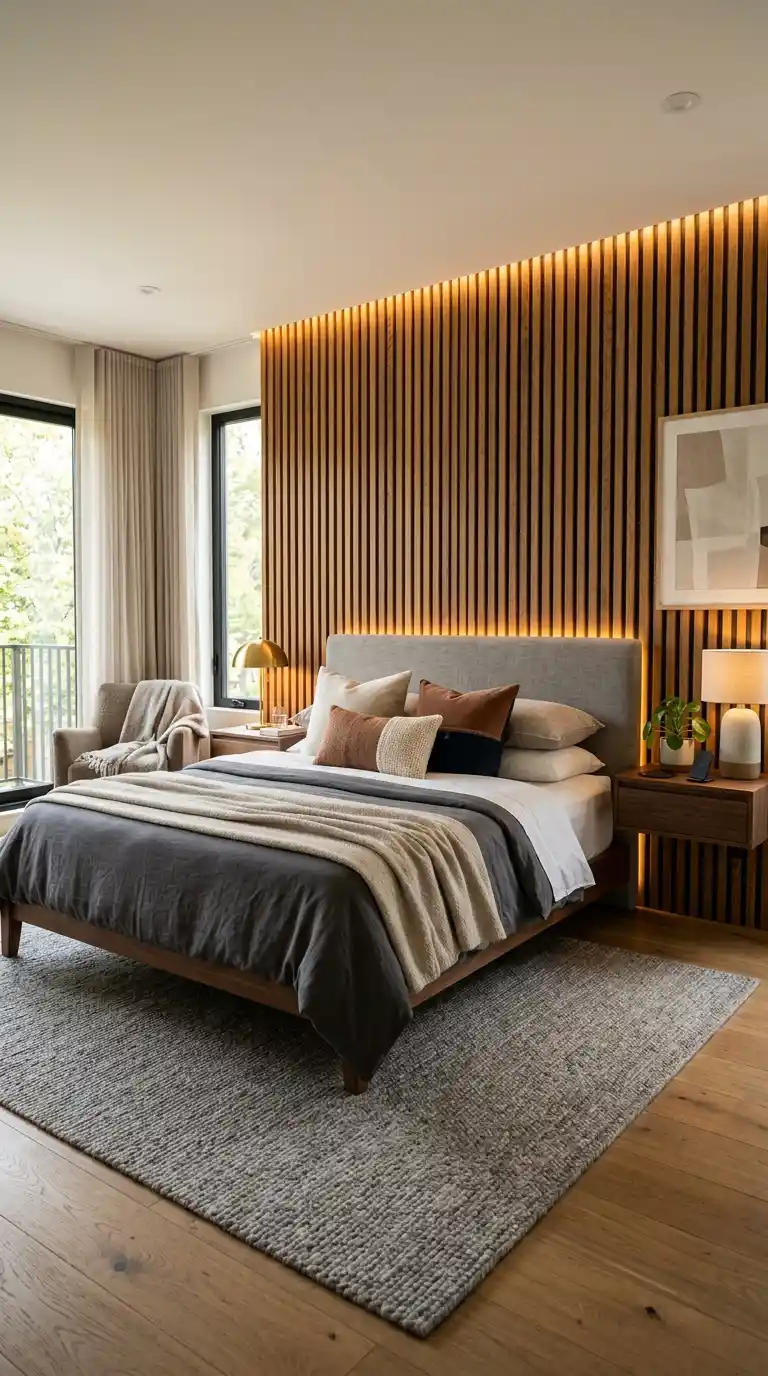
A wood slat accent wall behind the bed adds warmth, texture, and a sense of architectural intention to a bedroom. Vertical slats in light oak or warm walnut create visual height, making ceilings feel taller while grounding the headboard area. This treatment works beautifully in both modern and warm minimalist bedrooms.
Choosing slats with consistent spacing creates a clean, rhythmic pattern that feels deliberate rather than busy. Adding integrated LED strip lighting behind the slats introduces a soft glow that enhances the wood’s natural texture in the evening. This wall treatment also helps absorb sound, making the bedroom feel quieter and more enclosed. A wood slat wall instantly becomes the room’s defining architectural feature.
2. Soft Lime-Washed Walls
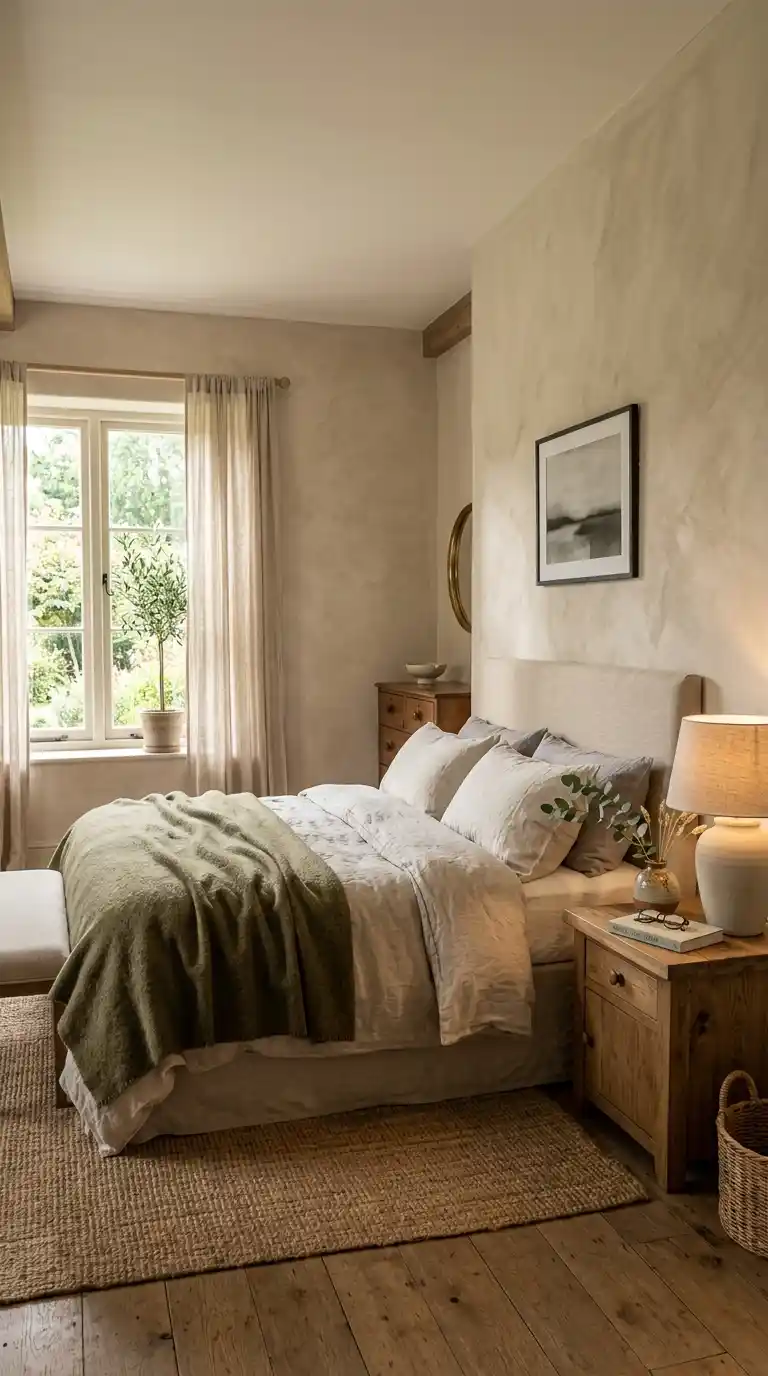
Lime wash creates a subtly textured, matte finish that feels organic and handmade compared to flat paint. This soft, cloud-like texture adds quiet depth to bedroom walls without introducing any bold color or pattern. The slightly imperfect finish echoes natural plaster, giving the room an old-world, calming character.
Choosing a warm white or soft beige lime wash keeps the bedroom feeling serene and grounded. This finish catches light differently throughout the day, creating subtle shifts in tone that flat paint can’t replicate. Pairing lime-washed walls with natural wood furniture and linen textiles reinforces the room’s organic, earthy mood. This understated wall treatment adds richness that’s felt more than seen.
3. Bold Color Accent Wall
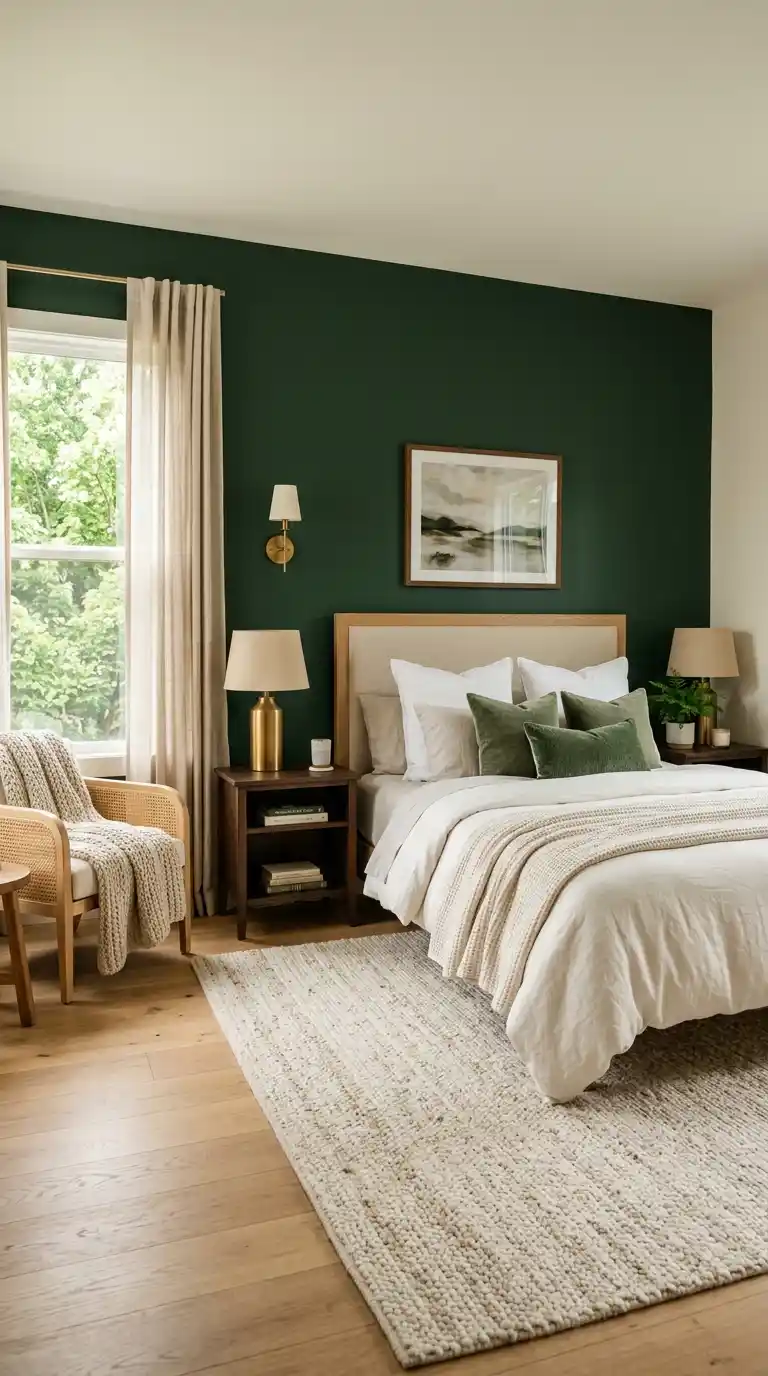
Painting a single wall, typically behind the headboard, in a bold or saturated color creates an instant focal point without overwhelming the entire room. Deep colors like forest green, terracotta, or navy add drama and warmth while keeping surrounding walls neutral for balance. This approach allows for experimentation with bolder colors at a lower commitment level.
Choosing a matte finish for the accent wall keeps the color feeling sophisticated rather than glossy or harsh. Pairing the bold wall with simple, neutral bedding lets the color remain the room’s clear statement. Adding warm wood or brass accents nearby softens the boldness with natural material. This single-wall approach to color remains one of the easiest ways to transform a bedroom’s mood.
4. Arched Wall Niches
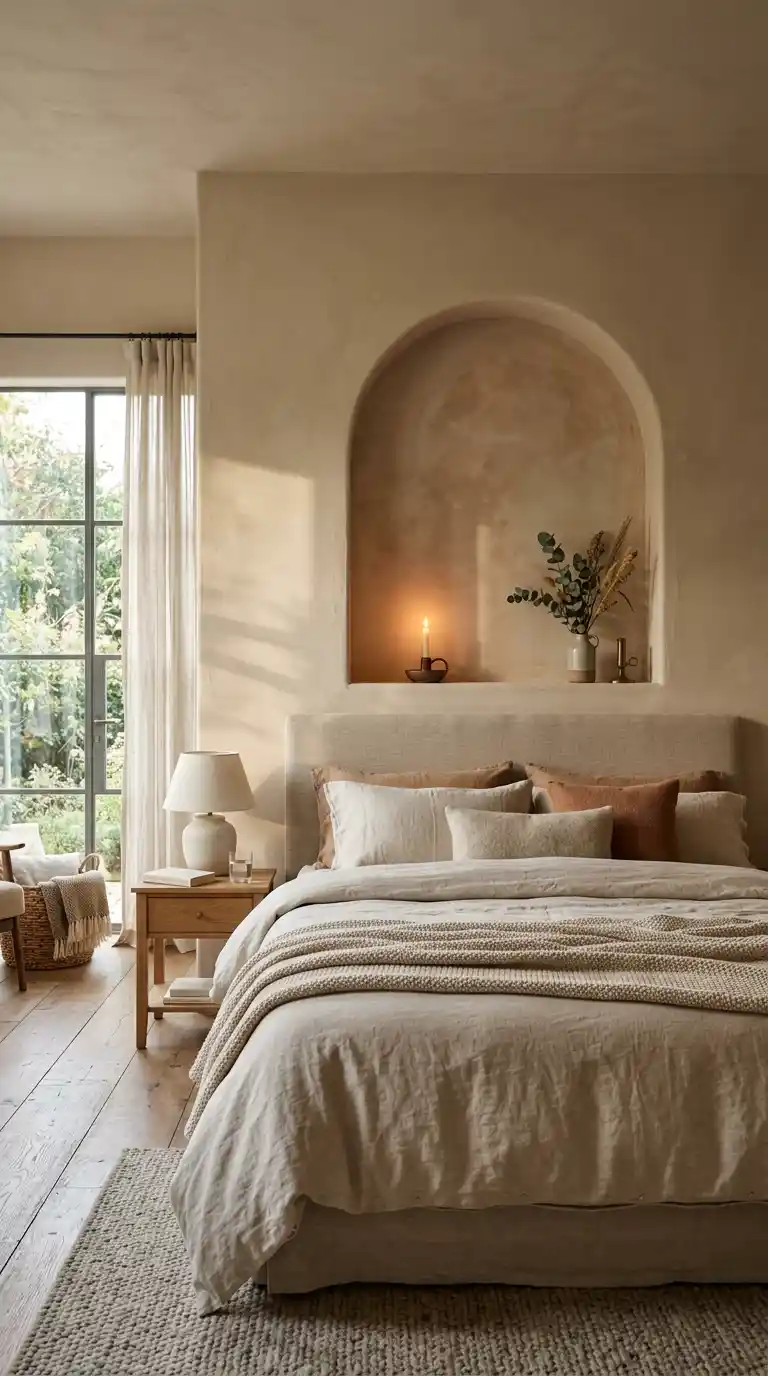
Building an arched niche into the wall behind the bed or beside a nightstand adds architectural softness and a sense of intentional design. This curved detail breaks up the typical rectangular lines found in most bedrooms, introducing a gentle, organic shape. Arched niches also create natural display space for a small plant, candle, or framed art.
Choosing a niche painted in a slightly contrasting tone, like a soft terracotta within a white wall, adds subtle depth and dimension. Adding a small light fixture inside the niche creates a warm, glowing display at night. This architectural detail works particularly well in bedrooms aiming for a soft, curved, modern aesthetic. The arch shape alone adds a sense of calm sophistication to the room.
5. Wallpaper with Botanical or Abstract Patterns
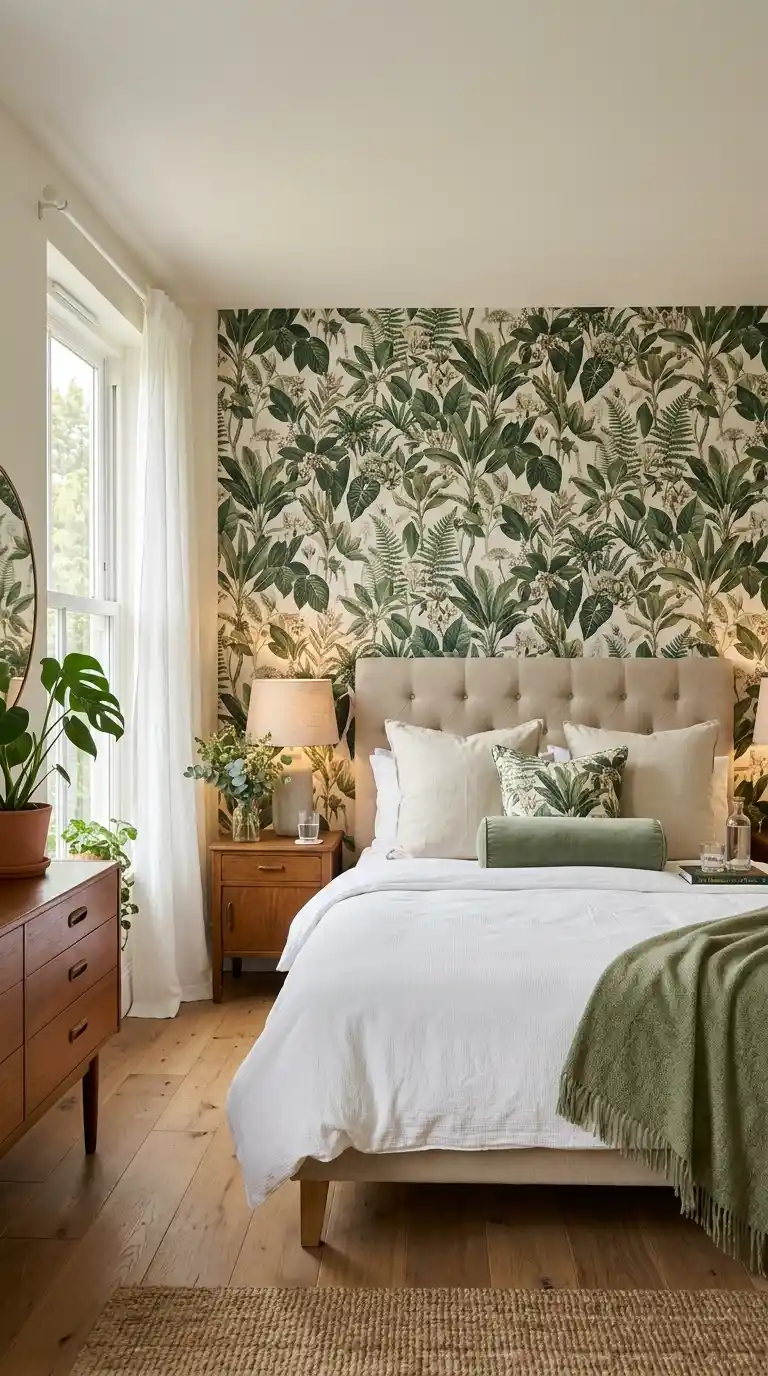
Wallpaper offers one of the most direct ways to introduce pattern, color, and personality into a bedroom’s wall design. Botanical prints bring a fresh, garden-inspired feel, while abstract patterns add a more artistic, contemporary mood. Applying wallpaper to a single accent wall, rather than the whole room, keeps the pattern from feeling overwhelming.
Choosing a wallpaper with tones that complement the room’s existing palette ties the pattern into the overall design cohesively. Pairing patterned wallpaper with simple, solid-colored bedding allows the wall to remain the room’s focal point. This treatment works particularly well behind a headboard, framing the bed within the pattern. Wallpaper remains one of the fastest ways to completely transform a bedroom’s character.
6. Exposed or Faux Brick Walls
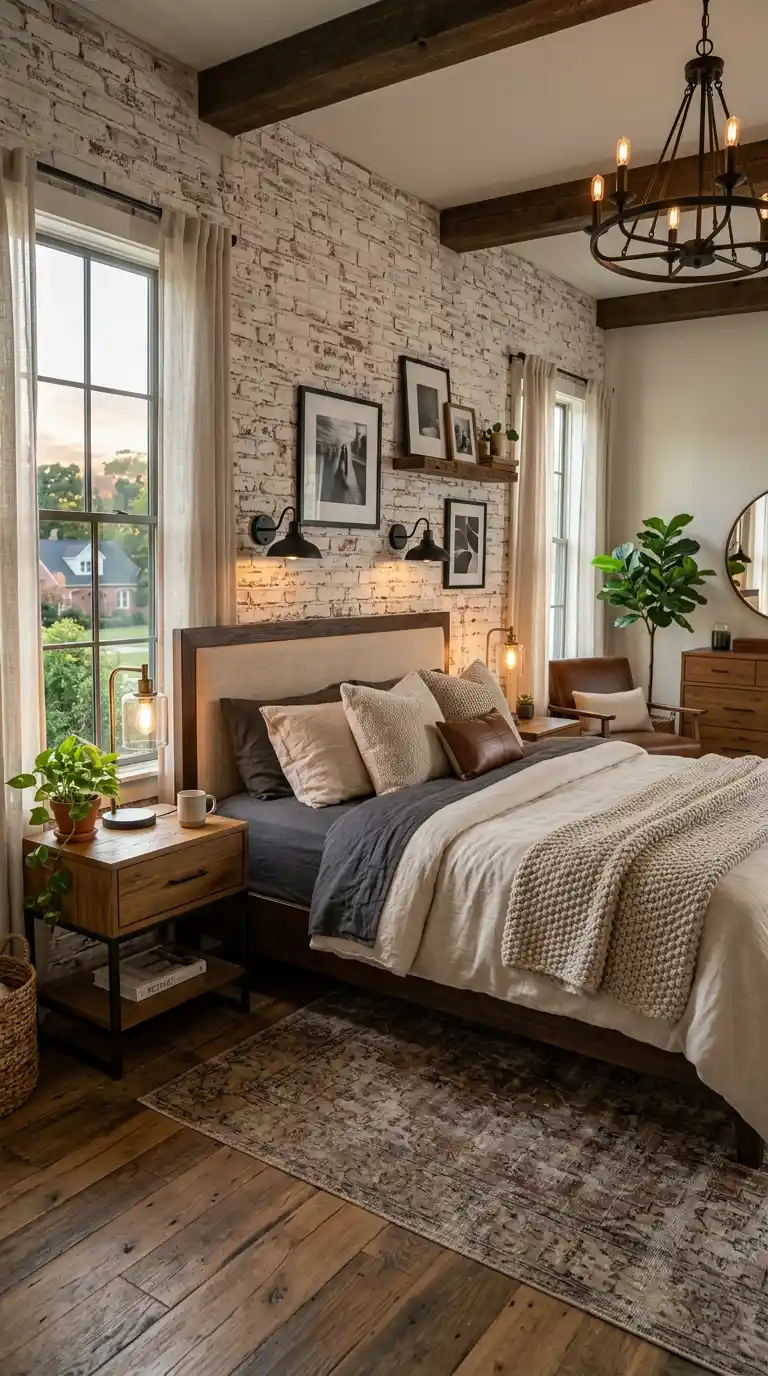
A single exposed or faux brick wall adds raw, textural character to a bedroom, particularly in urban loft-style or industrial-inspired spaces. The slightly imperfect, weathered texture of brick contrasts beautifully with soft bedding and warm lighting, creating a balanced mix of rugged and cozy. This treatment works well as a backdrop for the bed or as a feature wall elsewhere in the room.
Choosing a lighter, whitewashed brick keeps the look softer and less heavy than traditional red brick. Pairing this textured wall with warm wood furniture and linen textiles balances the rawness with comfort. Adding warm, layered lighting nearby softens the brick’s industrial edge in the evening. This wall treatment brings genuine architectural character to an otherwise simple room.
7. Wood Paneling with Picture Frame Molding
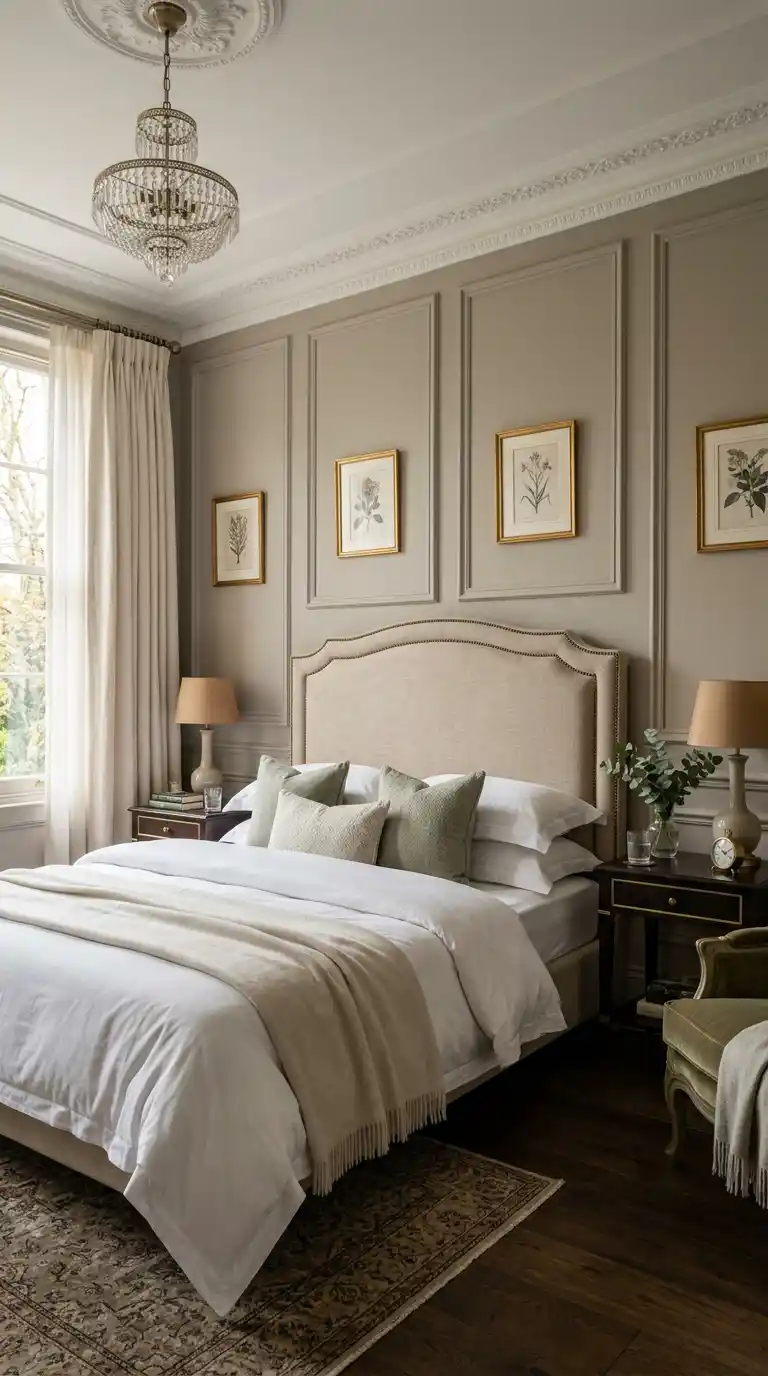
Picture frame molding, where wood trim is applied in rectangular patterns across the wall, adds classic, architectural detail to a bedroom. This treatment works beautifully in traditional or transitional bedrooms, adding dimension without requiring bold color or pattern. Painting the molding the same color as the wall keeps the look subtle and sophisticated.
Choosing a paint color with a slight sheen for the molding, against a matte wall finish, adds dimension through texture rather than color contrast. This detail pairs particularly well with a four-poster or upholstered headboard, framing the bed within the architectural pattern. Adding crown molding above ties the wall treatment into the room’s overall trim work. This classic detail adds timeless elegance to any bedroom.
8. Floating Wood Shelves as Wall Decor
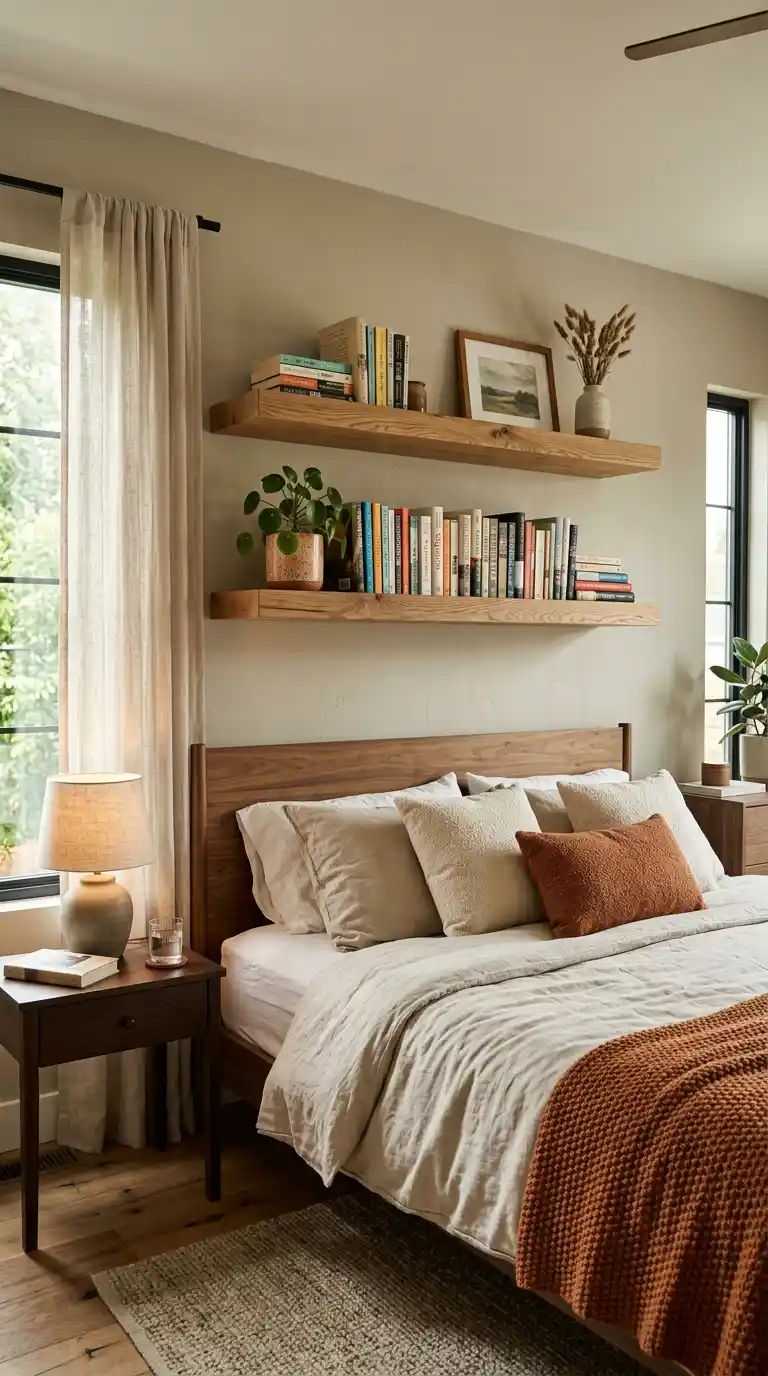
Floating wood shelves installed above a bed or along an empty wall serve as both storage and decor, adding warmth and personality. Styled with a few books, a small plant, and a piece of framed art, these shelves create a curated display without requiring large furniture. This treatment works particularly well in smaller bedrooms where floor space for additional storage is limited.
Choosing shelves in a warm wood tone that matches the room’s existing furniture keeps the look cohesive. Spacing a few shelves at varying heights, rather than in a single rigid row, adds visual interest and movement. Styling each shelf with a mix of function and decor keeps the display feeling intentional rather than cluttered. This wall treatment adds both practicality and visual warmth to the room.
9. Tone-on-Tone Color Blocking
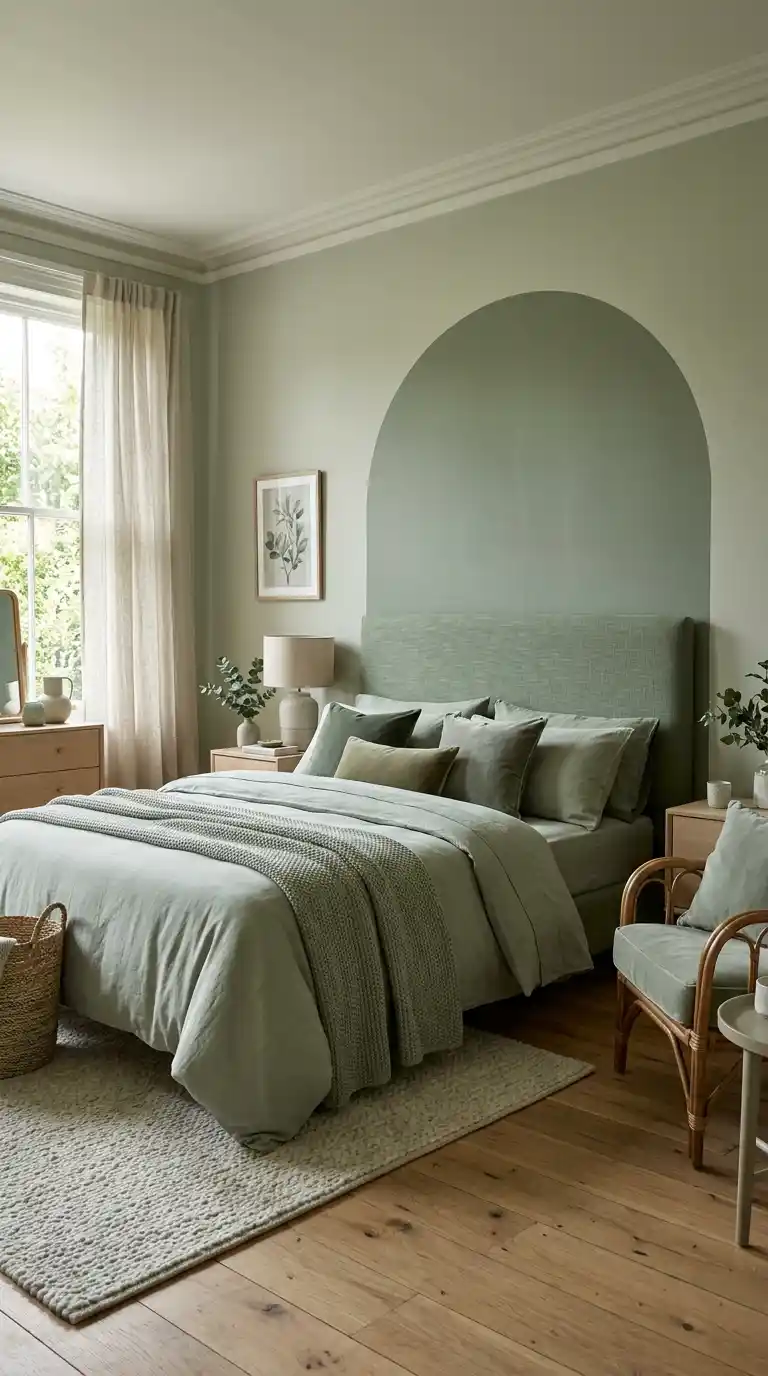
Painting two closely related shades of the same color in a geometric or color-blocked pattern adds subtle depth to a bedroom wall without strong contrast. A soft blush blocked against a slightly deeper rose, or two shades of sage green, creates dimension that feels sophisticated rather than bold. This treatment works particularly well in bedrooms aiming for a calm, soothing mood.
Choosing a simple geometric shape, like a large rectangle or an arch, behind the headboard keeps the color blocking feeling intentional rather than random. This subtle contrast adds visual interest while still maintaining an overall sense of calm in the room. Pairing the color-blocked wall with neutral bedding allows the wall treatment to remain the focal point. This understated approach proves that bold doesn’t always mean high contrast.
10. Mirrored Wall Panels
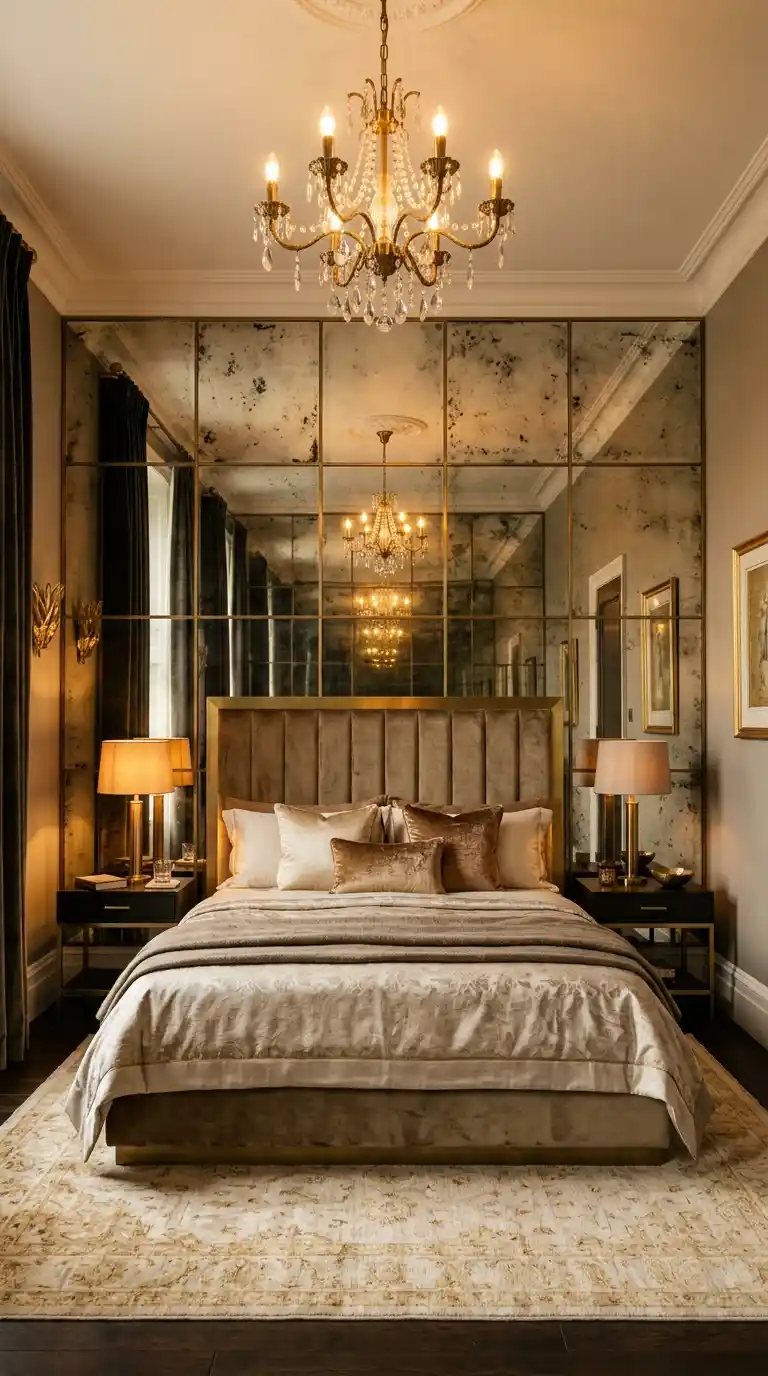
A wall of mirrored panels, whether covering a full wall or just a section behind the bed, adds light, depth, and a touch of glamour to a bedroom. This treatment is especially effective in smaller bedrooms, where the reflective surface visually doubles the perceived size of the room. Antiqued or smoked mirror panels soften the effect, adding a vintage warmth rather than a stark, modern coldness.
Choosing mirror panels with subtle veining or an aged finish keeps the look elegant rather than overly reflective or sterile. Pairing this wall treatment with warm lighting and brass accents enhances the glamorous, boutique-hotel feel. Positioning the mirrored wall to reflect a window can also bring more natural light into the room throughout the day. This dramatic treatment makes a small bedroom feel significantly larger and more luxurious.
Conclusion
Bedroom wall design plays a far greater role in a room’s overall atmosphere than many homeowners realize, shaping everything from perceived size to overall mood. The ten ideas above show how texture, color, and architectural detail can transform a plain wall into the defining feature of the entire room. From subtle lime wash to dramatic mirrored panels, there’s an approach suited to nearly every style and budget.
The key to a successful wall design lies in choosing a treatment that complements the room’s existing furniture and lighting rather than competing with it. Starting with a single accent wall, like a bold color or a wood slat feature, can make an immediate visual impact. Over time, layering in additional architectural details builds a bedroom that feels thoughtfully designed from every angle. The walls, often overlooked, hold real potential to elevate the entire room.